
Wall-mounted Toilets Introduction
In modern restroom design, wall-mounted toilets have gained significant popularity, particularly in commercial settings such as hotels, corporate offices, and luxury real estate projects. Their sleek, space-saving design, combined with advanced flushing mechanisms, makes them an appealing choice for architects and interior designers. However, for B2B purchasers, the question of how wall-mounted toilets flush—and how effective and reliable these systems are—is of utmost importance.
In this blog, we will explore the flushing mechanisms of wall-mounted toilets, compare them with traditional floor-mounted models, and provide insights into the best procurement practices. Understanding these factors will help you make an informed purchasing decision for large-scale projects, ensuring durability, ease of maintenance, and water efficiency.
What Are Wall-Mounted Toilets?
Wall-mounted toilets, as the name suggests, are affixed directly to the wall, leaving the floor beneath them completely exposed. The tank is hidden within the wall, and only the bowl and flush plate are visible. This minimalist design provides a clean, modern look and allows for easier floor cleaning, which is particularly advantageous in commercial and public spaces.
Key Features:
- Space-saving design: Ideal for smaller bathrooms or where floor space is at a premium.
- Concealed cistern: The water tank is installed behind the wall, offering a streamlined aesthetic.
- Height customization: Installers can set the height of the toilet to meet user needs, a flexibility not always available with floor-mounted toilets.
Types of Flushing Systems in Wall-Mounted Toilets
Wall-mounted toilets rely on several types of flushing systems to evacuate waste efficiently. These systems are designed to ensure a clean, effective flush while minimizing water consumption. Let’s dive into the different types of flushing mechanisms commonly used in wall-mounted toilets.
1. Gravity Flush System
Gravity flush systems are the most common type of flushing mechanism in traditional toilets. This system uses the force of gravity to move water from the concealed tank through the bowl to flush away waste.
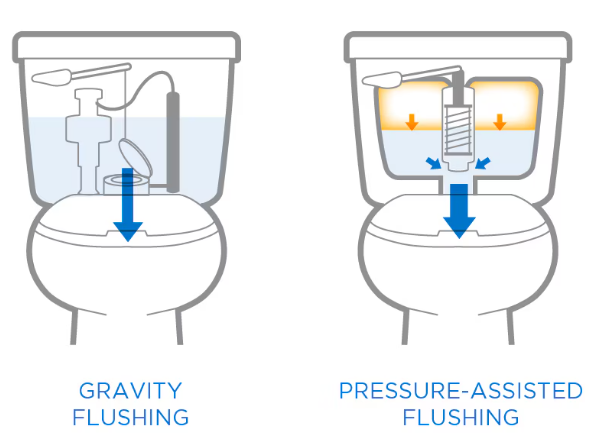
Gravity VS Vacuum assisted
- Pros:
- Simple design with fewer mechanical parts, reducing the chances of failure.
- Cost-effective and easy to maintain.
- Cons:
- Can require more water than newer, more efficient systems.
2. Pressure-Assisted Flush System
The pressure-assisted system uses pressurized air within a secondary chamber in the tank to force water into the bowl with significant power. This type of system is ideal for high-traffic commercial environments, as it ensures a stronger flush and reduces the risk of clogging.
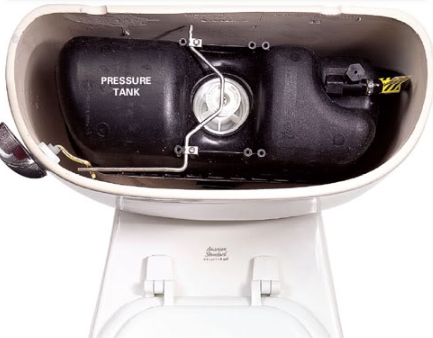
Pressure assisted flush
- Pros:
- Powerful flush, ideal for removing waste in a single flush.
- Highly effective in water conservation compared to gravity flush systems.
- Cons:
- Higher cost of installation and maintenance.
- The flush can be noisier than other systems, which may not be suitable for all environments.
3. Dual Flush System
A dual flush system gives users two flushing options: a low-volume flush for liquid waste and a full flush for solid waste. This type of system helps conserve water without compromising on performance.
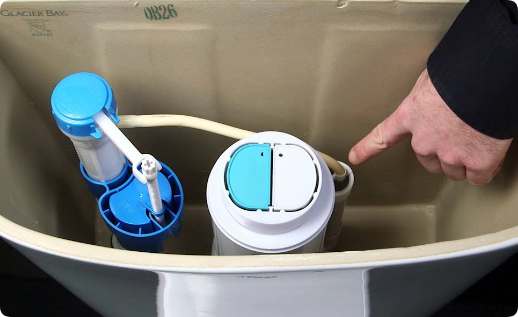
Dual flush
- Pros:
- Significant water savings over time, making it environmentally friendly.
- Customizable flush strength depending on the situation.
- Cons:
- More complex design, which can increase installation and repair costs.
- Users may find the dual flush confusing, leading to improper use.
4. Vacuum-Assisted Flush System
This advanced system creates a vacuum within the trapway of the toilet, allowing for a quick and forceful flush with minimal water. Vacuum-assisted systems are less common but offer an innovative solution for efficient flushing.
- Pros:
- Uses less water than gravity or pressure-assisted systems.
- Very powerful flush with minimal water consumption.
- Cons:
- Expensive and complicated to install.
- Requires specialized maintenance.
Comparison of Flushing Systems
The table below summarizes the key differences between the various flushing systems available for wall-mounted toilets:
| Flushing System | Water Efficiency | Power of Flush | Installation Cost | Maintenance Complexity |
|---|---|---|---|---|
| Gravity Flush | Moderate | Adequate | Low | Easy |
| Pressure-Assisted Flush | High | Very Powerful | High | Moderate |
| Dual Flush | Very High | Adjustable | Moderate | Moderate |
| Vacuum-Assisted Flush | Extremely High | Very Powerful | Very High | High |
Wall-Mounted vs. Floor-Mounted Toilets: A Flushing Comparison
When deciding between wall-mounted and floor-mounted toilets for large-scale projects, understanding how their flushing mechanisms compare is critical.
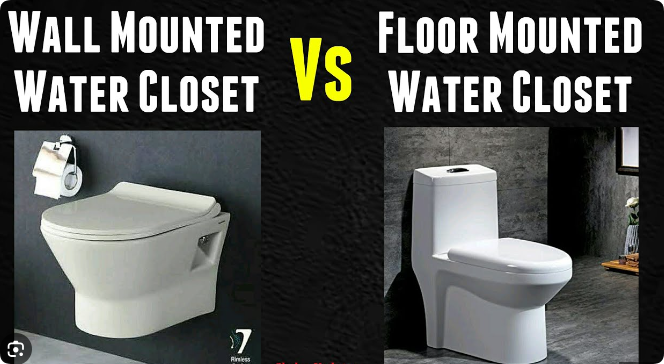
- Water Usage: Wall-mounted toilets, especially those equipped with dual-flush systems, are more water-efficient than many floor-mounted models. This makes them an attractive option for commercial buildings that prioritize sustainability.
- Flushing Power: Pressure-assisted and vacuum-assisted flushing systems in wall-mounted toilets offer superior waste removal compared to traditional gravity-flush floor-mounted models. This makes wall-mounted toilets more reliable in high-traffic environments.
- Installation and Maintenance: While wall-mounted toilets require more complex installation due to their concealed cisterns, their maintenance can be easier since all piping and components are hidden behind the wall, reducing exposure to potential damage. However, repairs might necessitate accessing the wall, which could be a challenge in some installations.
Advantages of Wall-Mounted Toilets for B2B Purchasers
For B2B purchasers, especially those managing large projects in sectors such as hospitality, healthcare, or commercial real estate, wall-mounted toilets provide several distinct advantages.
1. Aesthetics and Space Utilization
The clean, minimalist design of wall-mounted toilets adds a high-end, modern look to any restroom. This feature is especially appealing in high-end hotels, restaurants, or office spaces where the design is a key selling point. Additionally, the space-saving nature of these toilets allows for more flexibility in bathroom design, freeing up floor space that can be used for other purposes.
2. Ease of Cleaning and Hygiene
The wall-mounted design makes cleaning around and underneath the toilet far easier compared to floor-mounted models. For commercial settings like hotels or office buildings, where restrooms are cleaned frequently, this can significantly reduce labor costs and improve hygiene.
3. Customizable Height
Wall-mounted toilets offer height flexibility, which is particularly beneficial in settings like hospitals, senior living facilities, or hotels that cater to diverse clientele. B2B purchasers can specify the height during installation to suit the intended users, enhancing comfort and accessibility.
4. Water Conservation
For businesses looking to comply with eco-friendly building certifications like LEED or reduce water utility costs, wall-mounted toilets with dual-flush or vacuum-assisted systems are an excellent choice. They help significantly reduce water usage over time, providing long-term savings and environmental benefits.
Considerations for B2B Procurement
When purchasing wall-mounted toilets for large projects, several factors should be considered to ensure you choose the right product for your needs.
1. Flushing System
Consider the type of flushing system that best suits your project’s requirements. For high-traffic environments, pressure-assisted or vacuum-assisted flush systems may be the best choice due to their superior power. For environments where water conservation is a priority, dual flush systems should be considered.
2. Brand Reputation and Warranty
Working with reputable manufacturers is essential to ensure you’re getting a high-quality product that will stand the test of time. At Danube Toilet, we offer a wide range of wall-mounted toilets with various flushing mechanisms, all designed to meet the rigorous demands of commercial use. Our products are backed by extensive warranties and after-sales support, ensuring peace of mind for large-scale purchasers.
3. Installation and Maintenance Costs
Wall-mounted toilets are more complex to install compared to floor-mounted models due to their concealed cisterns. However, the long-term benefits, including easier cleaning and maintenance, often outweigh the initial installation costs. Be sure to work with experienced contractors to ensure proper installation and minimize future maintenance issues.
Conclusion
Wall-mounted toilets are not only a design-forward option but also a practical and efficient choice for commercial projects. Their advanced flushing mechanisms, whether gravity-based, pressure-assisted, or vacuum-assisted, offer reliable performance while meeting water conservation standards. For B2B purchasers, wall-mounted toilets represent a smart investment that balances aesthetics, functionality, and long-term value.
At Danube Toilet, we offer a comprehensive range of wall-mounted toilets tailored to the needs of large-scale projects. Whether you’re outfitting a hotel, office building, or residential complex, our products are designed to deliver exceptional performance and durability.
By understanding how wall-mounted toilets flush and selecting the right system for your project, you can ensure satisfaction for end users while optimizing installation and maintenance processes. Reach out to our team today for expert guidance on selecting the best wall-mounted toilet systems for your next project.