
Bathroom sinks are a staple of every household, but why are they often referred to as “vanities”? This question might seem puzzling, but understanding the terminology and its evolution provides a deeper appreciation of bathroom design, culture, and history. At Danube Toilet, where we specialize in providing high-quality bathroom products, including vanities, toilets, and washbasins, this topic resonates with our focus on both function and style. This article delves into the history of the term “vanity,” its modern implications, and why bathroom sinks have adopted this intriguing name.
What is a Vanity?
At its core, the term “vanity” in the bathroom setting refers to a combination of a sink and storage area. Typically, a vanity includes the bathroom sink and the countertop surrounding it, often incorporating cabinets or drawers for storing toiletries and cleaning supplies. Modern vanities range from minimalist designs to luxurious, feature-packed fixtures. At Danube Toilet, our vanities reflect this spectrum, providing options tailored to various preferences and needs, whether for large projects or individual home renovations.
However, the term “vanity” hasn’t always been associated with sinks. Its origins are quite different, which makes this usage all the more fascinating.
Origins of the Word “Vanity”
The word “vanity” itself is derived from the Latin word “vanitas,” meaning emptiness or futility. Historically, this term was associated with the idea of excessive pride or concern for one’s appearance. This is where the connection to bathroom sinks begins.
Vanitas
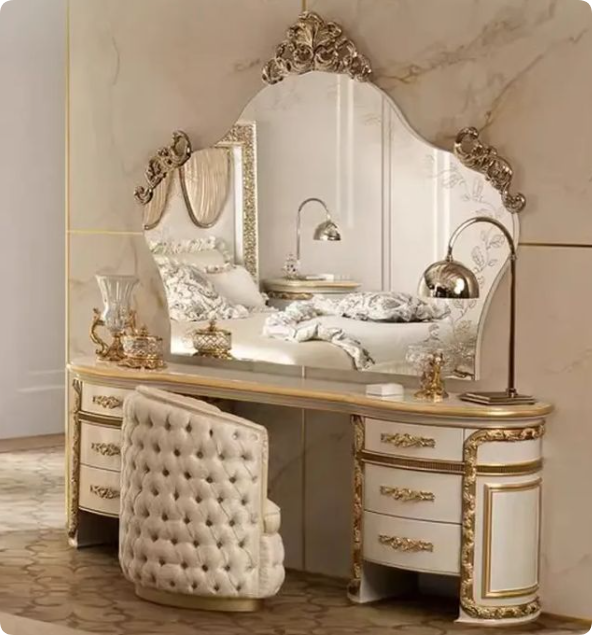
In the 18th and 19th centuries, “vanity” referred to a small table used primarily by women for grooming and applying makeup. These pieces of furniture were typically kept in bedrooms or dressing rooms and were considered an essential part of daily beauty routines. Over time, as indoor plumbing became more common in homes, the functions of grooming and washing merged, and the vanity table evolved into the bathroom fixture we know today.
This shift occurred alongside broader changes in home design. As bathrooms became more functional and luxurious, combining a sink with a storage area allowed for more efficient use of space, particularly in smaller homes. The name “vanity” carried over from the traditional dressing table to the bathroom sink area, signifying the space where people could continue their grooming routines.
Vanity vs. Sink: What’s the Difference?
To clarify, a sink is simply the basin where water flows for washing hands, brushing teeth, or other hygiene-related activities. A vanity, on the other hand, encompasses not only the sink but also the storage and countertop space that surrounds it.


| Feature | Vanity | Sink |
|---|---|---|
| Components | Sink, countertop, storage | Just the basin |
| Function | Grooming, storage, washing | Washing only |
| Design Variability | Extensive (multiple materials, styles, etc.) | Minimal (focus on functionality) |
| Price Range | Higher due to added features | Lower, depending on material |
| Space Utilization | Efficient use of small spaces | Often requires additional furniture for storage |
From this comparison, it’s clear that a vanity serves a broader purpose in bathroom design than a standalone sink.
The Evolution of Bathroom Vanities
Bathroom vanities have evolved significantly over the years, from simple utilitarian designs to statement pieces in modern bathrooms. As homes and personal spaces became larger and more opulent, bathrooms shifted from purely functional spaces to areas of relaxation and luxury. This transformation paved the way for elaborate bathroom furniture, including vanities.
During the 20th century, the vanity became a centerpiece in bathrooms, combining the need for hygiene with aesthetic appeal. Designers began to experiment with different materials—wood, stone, glass—and the vanity’s role expanded to include ample storage solutions. Modern vanities now often feature integrated technology, such as touch-activated faucets and LED lighting, enhancing both convenience and design.
At Danube Toilet, we offer a variety of vanities that cater to these evolving demands. From sleek, minimalist models perfect for modern apartments to ornate, larger options suitable for luxury homes, our vanities reflect the changing tastes and needs of consumers.
Modern Implications of the Term “Vanity”
The name “vanity” continues to carry implications of self-care and personal grooming, even in today’s context. In fact, modern vanities are designed with this function in mind, often incorporating mirrors, lighting, and built-in storage to make daily grooming as efficient and enjoyable as possible.
Functional Importance of Vanities in Modern Bathrooms
- Storage Solutions: A vanity allows for organized storage, ensuring that toiletries, towels, and cleaning supplies are easily accessible but hidden from view.
- Aesthetic Appeal: The design of the vanity can significantly influence the look and feel of a bathroom. With the wide variety of styles and finishes available, a vanity can serve as the focal point of the room, tying together other elements such as tile, lighting, and hardware.
- Space Efficiency: Particularly in small bathrooms, a well-designed vanity can maximize the use of space. Corner vanities or floating designs, for example, free up floor space, making the room feel larger.
- Customization: Many homeowners and businesses opt for custom vanities, tailored to their specific needs and preferences. Whether it’s the choice of materials or additional features such as built-in outlets, customization allows for a more personalized bathroom experience.
At Danube Toilet, we understand the importance of functionality and design in bathroom vanities. Our products are engineered to blend practicality with modern trends, ensuring that they meet the diverse needs of our clients, from B2B large-scale purchasers to individual consumers.
Why the Term Matters
Using the term “vanity” instead of “sink” or “bathroom cabinet” emphasizes the broader role this fixture plays in bathroom design. It’s not just a place to wash your hands—it’s a space for grooming, storage, and even personal reflection. The vanity is where many people begin and end their day, making it a crucial part of the bathroom experience.
For those in the business of bathroom fixtures, including large-scale contractors and real estate developers, understanding this distinction is important. When clients request a vanity, they’re not just asking for a sink—they’re looking for an integrated solution that meets both their practical and aesthetic needs. At Danube Toilet, our extensive range of vanities caters to these demands, offering everything from compact models for small spaces to luxurious double vanities for master bathrooms.
Conclusion
In conclusion, bathroom sinks are called vanities because they encompass more than just a place to wash—they represent a space for grooming, storage, and self-care. The evolution of the vanity from a bedroom grooming table to a central fixture in modern bathrooms reflects broader changes in home design, personal hygiene, and luxury. Today, vanities are designed to maximize both function and style, making them an essential component of any well-designed bathroom.
At Danube Toilet, we offer a wide range of vanities that cater to various styles, preferences, and budgets. Whether you’re a large-scale contractor looking to outfit a hotel or an individual homeowner planning a bathroom renovation, our vanities are designed to meet your needs while adding a touch of elegance to your space.
By understanding the history and significance of the term “vanity,” both consumers and professionals can make more informed decisions when choosing bathroom fixtures. So the next time you hear someone refer to a bathroom sink as a vanity, you’ll know that it’s about more than just washing hands—it’s about creating a space for self-care, storage, and style.