
As home design trends evolve, the types of sinks used in kitchens and bathrooms have changed significantly. Nowadays, many homeowners and designers prefer undermount sinks, vessel sinks, or integrated sinks, leading to the perception that traditional drop-in sinks are becoming outdated. But is this really the case? In this article, we will delve into the pros and cons of drop-in sinks, comparing them to modern alternatives in terms of aesthetics, functionality, cost, and maintenance. We will explore whether drop-in sinks still have a place in contemporary home design.
As a leading manufacturer of sanitary products, DanubeToilet offers a wide range of sinks, including drop-in sinks, undermount sinks, and vessel sinks. This article will examine the relevance of drop-in sinks today, providing insights for B2B buyers and project planners to make informed decisions.
What is a Drop-In Sink?
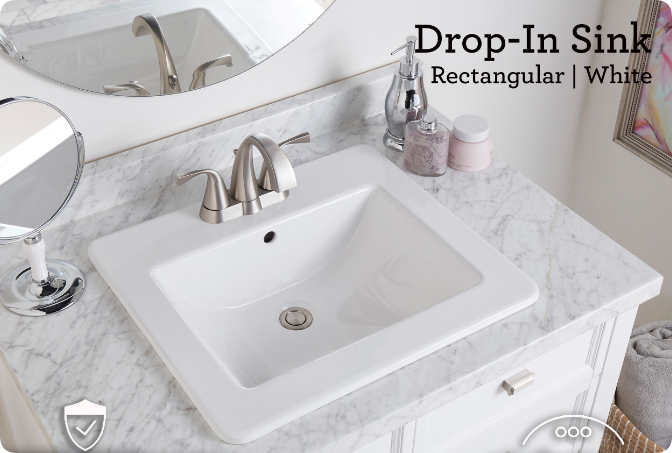
A drop-in sink, also known as a top-mount sink, is installed from above the countertop, with its edges resting on the countertop surface. This installation method creates a visible rim around the sink, which supports the weight. Unlike undermount sinks, drop-in sinks have a clear, exposed edge on the countertop, which is one of their defining features.
Drop-in sinks have been widely used for decades, thanks to their simple design and ease of installation. They are compatible with various countertop materials like laminate, wood, and tile. However, as design preferences have shifted toward sleeker and more modern aesthetics, drop-in sinks have lost some ground to more seamless alternatives.
Advantages of Drop-In Sinks
While some may argue that drop-in sinks are no longer “in style,” they still offer several practical advantages, particularly in budget-conscious or functionality-first scenarios. Here are some key benefits of drop-in sinks:
1. Easy Installation
The installation of a drop-in sink is straightforward and does not require additional support structures. You simply need to cut a hole in the countertop, and the sink can be dropped in place. This makes drop-in sinks suitable for a wide range of home renovations and commercial projects, especially when time and budget are limited.
2. Cost-Effective
Drop-in sinks are generally more affordable compared to undermount or integrated sinks. For developers and buyers, choosing drop-in sinks can significantly reduce costs, especially when purchasing in bulk for large-scale commercial projects or rental properties where budget considerations are important.
3. Compatibility with Various Materials
Drop-in sinks are compatible with a variety of countertop materials, including laminate, wood, and tile, giving more flexibility in material selection. Unlike undermount sinks, which require a sturdier countertop, drop-in sinks are less demanding in terms of countertop support, making them suitable for a wider range of applications.
4. Easy Maintenance and Replacement
In case of damage, drop-in sinks are easier to replace than undermount sinks. The replacement process does not require significant modifications to the countertop; you can simply lift out the old sink and drop in a new one. This makes maintenance and repair more efficient over time.
Magnus Home Products – Undermount vs. Drop in Sink: Which Is the Superior Choice?
Disadvantages of Drop-In Sinks
Although drop-in sinks have several advantages, their shortcomings are more apparent as modern home design evolves. Some of the notable disadvantages include:
1. Outdated Aesthetic
Compared to undermount sinks and vessel sinks, drop-in sinks lack the sleek, streamlined look that modern design emphasizes. The visible rim around the sink detracts from the clean and seamless appearance that many designers and homeowners prefer in contemporary settings.
2. Edges Can Trap Dirt and Water
The rim of a drop-in sink is prone to accumulating water and dirt, which can lead to mold or stains if not cleaned regularly. This makes drop-in sinks less convenient in terms of maintenance compared to their undermount counterparts, which have no visible edges to trap debris.
3. Takes Up Countertop Space
The exposed rim of a drop-in sink rests on the countertop, occupying additional surface area compared to an undermount sink. If the countertop space is limited, this can reduce the amount of usable workspace, particularly in small kitchens or bathrooms.
Modern Alternatives to Drop-In Sinks
With the advancement of home design, several modern sink alternatives have emerged, often replacing traditional drop-in sinks. Below are some of the most popular modern sink designs, which have gained widespread popularity due to their superior aesthetics and functionality.
1. Undermount Sinks
Undermount sinks are installed underneath the countertop, creating a seamless connection between the sink and countertop surface. This type of sink offers a cleaner and more modern look, with no exposed rim. Cleaning is also easier as there are no edges for dirt and water to collect. However, installing undermount sinks requires more countertop support, and the installation process is more complex and expensive.
2. Vessel Sinks
Vessel sinks sit entirely above the countertop, often becoming a focal point in bathroom design. These sinks are highly decorative and come in a variety of materials such as glass, ceramic, and stone. However, vessel sinks are taller than standard sinks, so careful consideration must be given to faucet height and placement during installation.
3. Integrated Sinks
Integrated sinks combine the sink and countertop into a single piece, typically made from materials like stone, concrete, or solid surface. This design not only offers a seamless look but also prevents water from seeping underneath the sink. Integrated sinks are often used in high-end custom projects. Though they come with a higher price tag, their sleek design and easy maintenance make them popular in luxury markets.


Comparison Table of Modern Sink Types
| Sink Type | Advantages | Disadvantages | Best Suited For |
|---|---|---|---|
| Drop-In Sink | Easy installation, affordable, versatile | Outdated look, hard to clean, takes space | Budget-conscious projects |
| Undermount Sink | Sleek design, easy to clean | Expensive, complex installation | High-end residential projects |
| Vessel Sink | Stylish, decorative | Tall design, space-consuming | Designer bathrooms |
| Integrated Sink | Seamless, modern, easy maintenance | Expensive, custom-made | Luxury custom kitchens/bathrooms |
The Future of Drop-In Sinks
While drop-in sinks may not be the first choice for high-end design projects, they still hold value in budget-conscious projects, rental properties, and commercial spaces. In the future, drop-in sinks may experience a resurgence if combined with innovative materials and modern design elements. For example, drop-in sinks made from stain-resistant materials or featuring sleeker, more contemporary lines could appeal to consumers looking for a blend of affordability and style.
At DanubeToilet, we continue to adapt to market trends by offering a variety of sink options, including drop-in sinks, to meet diverse customer needs. Whether you’re looking for an affordable option for a large-scale commercial project or a modern alternative for high-end residential design, we provide solutions that cater to both function and style.
Conclusion
Drop-in sinks are not completely outdated, but they face stiff competition from modern sink designs like undermount, vessel, and integrated sinks. While these newer designs offer improved aesthetics and functionality, drop-in sinks remain a practical choice for budget-friendly and large-scale projects due to their ease of installation and cost-effectiveness.
Understanding the pros and cons of different sink types helps you make the right decision for your home or project. As a leading sanitary ware manufacturer, DanubeToilet offers a wide range of sink solutions. If you’re in the market for sinks, feel free to contact us to learn more about our products and how we can support your project.