Understanding the Future of Bathroom Innovation for B2B Purchasers
Table of Contents
- Understanding the Future of Bathroom Innovation for B2B Purchasers
- What is a Smart Toilet?
- Special Considerations for Installing Smart Toilets and Accessories in the UK
- 1. Water Pressure and Compatibility with the Supply System
- 2. Electrical Installation and Waterproof Safety
- 3. Drainage System and Toilet Connection
- 4. Hot Water System and Bidet Compatibility
- 5. Compliance with UK Building Regulations and Certifications
- 6. Backup Manual Features
- 7. After-Sales Service and Spare Parts Supply
- Smart Toilet Options for B2B Purchasers
- Key Considerations for B2B Purchasers
- Why Choose a Smart Toilet for Your Business?
The bathroom is one of the most essential areas of any home, hotel, or commercial facility. Over the years, it has evolved from a purely functional space to one that blends technology, comfort, and hygiene. Among the most innovative advancements in bathroom technology is the smart toilet, which is revolutionizing the way we think about sanitation and convenience. In the UK, smart toilets are gaining popularity, with more hotels, restaurants, and commercial establishments adopting them to offer a superior customer experience. This article delves into what a smart toilet is, its features, and the reasons why B2B purchasers should consider incorporating them into their procurement strategies.
What is a Smart Toilet?
A smart toilet is a technologically advanced toilet equipped with features designed to enhance the user experience. These features go beyond the basic functions of flushing and waste disposal, integrating advanced technology for improved hygiene, comfort, and convenience. Smart toilets in the UK come in various forms, from basic models with minimal tech upgrades to high-end systems with fully integrated functionalities.
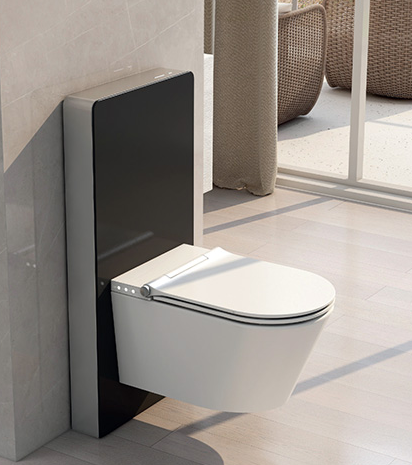
Some of the most common features found in smart toilets include:
- Heated Seats: Providing a comfortable seating experience, especially in colder climates.
- Automatic Lid Opening and Closing: For enhanced hygiene and convenience.
- Self-Cleaning: Using advanced mechanisms like UV light or electrolyzed water to sanitize the toilet bowl after every use.
- Bidet Functions: Offering options for personal cleansing, often adjustable for water temperature, pressure, and position.
- Air Drying: A gentle air dryer for a hands-free drying experience.
- Deodorizing: Built-in air purifiers or deodorizing systems to eliminate unwanted smells.
- Remote Control and Smart Integration: Some models feature app integration, allowing users to control settings via their smartphones.
- Water-saving Technology: Sensors that optimize water usage, reducing waste and promoting sustainability.
Smart Toilets | Need to Know
Special Considerations for Installing Smart Toilets and Accessories in the UK
When installing smart toilets in the UK or selecting related accessories, several aspects require special attention. The UK’s plumbing standards, electrical requirements, and consumer preferences may differ from other countries. Below are some recommendations to ensure smooth installation and reliable long-term operation of smart toilets in the UK:
1. Water Pressure and Compatibility with the Supply System
Recommendations:
- Check Water Pressure: Many smart toilet features, such as flushing and bidet functions, require stable water pressure. UK household water pressure typically ranges between 1.5–3 bar, so confirm that the smart toilet meets this requirement.
- Supply Valves: Before installation, ensure that the pipe connection size matches UK standards (usually 15mm copper pipes). Adapters may be needed to adjust the connection.
Accessory Suggestions:
- Install a high-quality water filter to prevent impurities from clogging the bidet nozzle and other components.
- Use a backflow prevention device to comply with the UK’s drinking water protection standards.
2. Electrical Installation and Waterproof Safety
Recommendations:
- Professional Installation: Smart toilets usually require electricity to support functions such as seat heating and self-cleaning. It is advisable to hire a certified electrician to install the power outlet.
- Socket Placement: The outlet should be placed in a safe zone within the bathroom (Zone 2 or beyond) to avoid exposure to water splashes, in compliance with the UK’s IET Wiring Regulations (BS 7671).
- Voltage Requirements: The UK standard voltage is 230V. Ensure the smart toilet is compatible with this voltage. If not, use a transformer.
- Waterproof Protection: Choose sockets and wire connectors with waterproof ratings (IPX4 or higher).
Accessory Suggestions:
- Install an RCD (Residual Current Device) outlet to protect against electrical leakage.
- Use waterproof cable conduits for additional wire protection.
3. Drainage System and Toilet Connection
Recommendations:
- Drainage Standards: Smart toilets must connect to standard UK drainage systems. UK homes typically use floor-mounted (P-trap) or rear-outlet (S-trap) connections. Confirm that the smart toilet is compatible with the connection type.
- Drainage Slope: Ensure the proper slope for drainage pipes to prevent clogging or poor water flow.
- Concealed Drainage Installation: For wall-mounted smart toilets, prepare in-wall drainage pipes in advance and use a high-quality concealed cistern frame.
Accessory Suggestions:
- Use flexible drainage pipes or adjustable connectors for easy compatibility with various drainage positions.
- Install antibacterial sealing rings and gaskets to enhance hygiene and seal reliability.
4. Hot Water System and Bidet Compatibility
Recommendations:
- Cold Water Supply: Most smart toilets include water heating features, requiring only a cold water connection. Ensure the cold water pipe’s connection fits the smart toilet’s standard.
- Hot Water Needs: For models requiring a hot water connection (less common), confirm compatibility with typical UK hot water systems (e.g., combi boilers).
Accessory Suggestions:
- For non-heated smart toilets, install a small instant water heater to maintain consistent water temperature for bidet functions.
- Add a check valve to prevent hot water backflow into the cold water line.
5. Compliance with UK Building Regulations and Certifications
Recommendations:
- WRAS Certification: Ensure the smart toilet and its accessories are WRAS (Water Regulations Advisory Scheme) certified to comply with UK water regulations.
- Water-Saving Design: The UK has a high demand for water-efficient devices. Choose models that meet or exceed UK water-saving standards, such as using no more than 6 liters per flush.
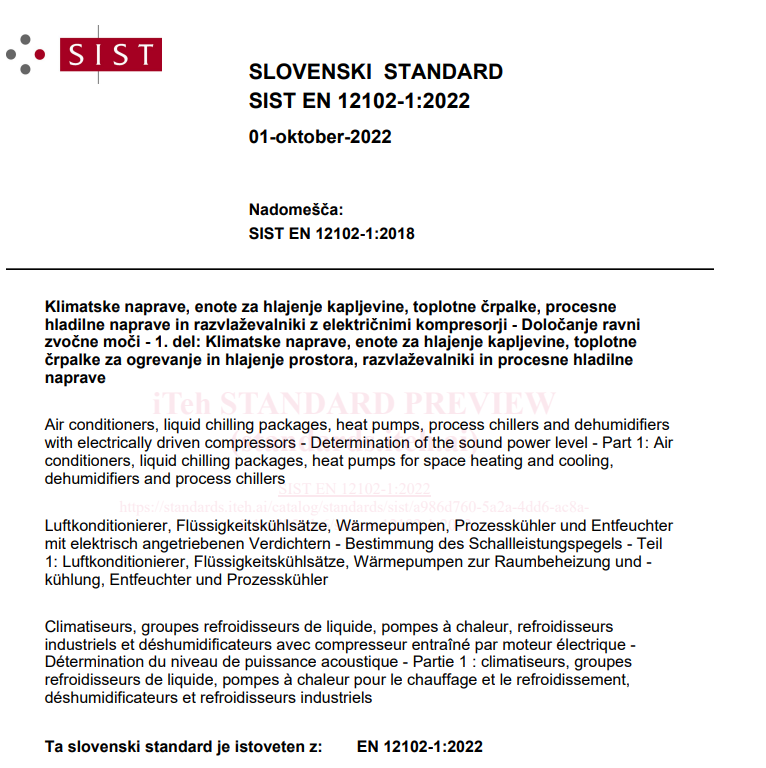
- Noise Standards: Smart toilets should operate quietly, especially for hotels and residential properties. Compliance with BS EN 12102-1 (noise standards for household appliances) is ideal.
Accessory Suggestions:
- Choose WRAS-certified backflow preventers and water-saving valves.
- Use noise-insulating pads during installation to reduce operational noise.
6. Backup Manual Features
Recommendations:
In the UK, power outages can occasionally occur in homes and commercial spaces. Opt for smart toilets with manual flushing and basic feature options to ensure continued usability during outages.
Accessory Suggestions:
- Manual flushing button kits.
- Backup power options, such as a UPS (Uninterruptible Power Supply).
7. After-Sales Service and Spare Parts Supply
Recommendations:
When sourcing smart toilets for the UK market, prioritize brands or suppliers that provide local after-sales services and spare part support. Ensure that easily worn components like electrical parts and bidet nozzles are replaceable.
Accessory Suggestions:
Opt for smart toilets with remote diagnostic capabilities to reduce downtime during maintenance.
Stock spare parts such as nozzles, flush valves, and filters.
Smart Toilet Options for B2B Purchasers
B2B purchasers looking to integrate smart toilets into their offerings need to consider several factors, including budget, customization needs, and the specific requirements of their target market. Smart toilets can be sourced through ODM (Original Design Manufacturer) for large-scale orders or OEM (Original Equipment Manufacturer) for smaller batches. Here’s a breakdown of what B2B purchasers should consider when choosing a smart toilet:
- Custom Features: Determine the features that best align with your market, whether it’s heated seats, water-saving features, or advanced bidet functions.
- Quality Standards: Ensure that the toilets meet UK quality and safety standards, particularly when it comes to electrical components.
- Brand Image: For high-end establishments, a well-known smart toilet brand can elevate the property’s overall appeal.
- Sustainability: Focus on toilets that offer water-saving functions and energy-efficient features, as this is an increasing demand in both the B2B and consumer markets.
Comparative Table: Popular Smart Toilet Features
| Feature | Basic Smart Toilet | High-End Smart Toilet |
|---|---|---|
| Heated Seat | Yes | Yes |
| Self-Cleaning Function | No | Yes (UV or Electrolyzed Water) |
| Bidet Function | No | Yes (Adjustable Temperature, Pressure, Position) |
| Air Drying | No | Yes |
| Automatic Lid Opening | No | Yes |
| Deodorizing | No | Yes |
| Smart Integration | No | Yes (App Integration, Remote Control) |
| Water-Saving Technology | No | Yes |
Key Considerations for B2B Purchasers
- Installation and Maintenance: Smart toilets require more maintenance than traditional models, and installation can be more complex, especially for high-tech systems. It’s crucial to partner with manufacturers that offer reliable support services and installation guidance.
- Cost and Profitability: While the initial cost of smart toilets may be higher than traditional toilets, the long-term benefits, including enhanced customer satisfaction and water savings, can offset the upfront cost. For B2B purchasers, investing in smart toilets can lead to better profit margins by appealing to a high-end clientele.
- Market Trends: Keep an eye on the latest innovations in smart toilet technology. Features like AI-driven cleaning systems, sensor-operated flushes, and voice-activated functions are likely to become more common in the next few years, which may impact future purchasing decisions.
Why Choose a Smart Toilet for Your Business?
For commercial establishments in the UK, smart toilets represent an investment in both hygiene and luxury. With their growing popularity in the hospitality industry, smart toilets provide an opportunity to differentiate your business and improve customer satisfaction. Offering such advanced technology can also enhance your brand’s reputation as a forward-thinking, eco-conscious business, which can help you appeal to a wider audience.
For B2B purchasers, partnering with suppliers that offer smart toilets can also help you meet growing consumer demand for luxury, technology, and sustainability in the bathroom sector. Whether you are providing large-scale custom orders (ODM) or smaller batch customizations (OEM), smart toilets represent an exciting and lucrative market.
If you’re ready to take your planter business to the next level, reach out to DANUBE TOILET today for consultation and bulk order opportunities.