For bathroom product buyers, project developers, and architectural designers around the world, the term “bidet” is no longer unfamiliar. It’s quickly becoming a standard feature in upscale residential spaces, hospitality projects, and smart home developments.
But one important question continues to surface:
Which country uses bidets the most?
And what types of bidets and features do people in different countries actually prefer?
This in-depth blog explores those questions, offering a comprehensive view of cultural habits, trending products, installation scenarios, and regional preferences to help you make better purchasing decisions across diverse markets.
🌍 Which Countries Use Bidets the Most?
The table below compares the five countries with the highest bidet usage rates, showcasing each region’s preferred product type, functional highlights, and common installation settings:
Bidet Usage Around the World
| Country | Usage Rate | Preferred Type | Key Features | Common Applications |
|---|---|---|---|---|
| Japan | 80%+ | Smart toilets with bidet | Self-cleaning nozzles, heated seats | Homes, hotels, public restrooms |
| Italy | 70% | Standalone ceramic bidets | Faucet control, minimalist design | Villas, traditional residences |
| France | 40% | Floor-mounted classic bidets | Hot/cold water control, vintage style | Apartments, luxury bathrooms |
| South Korea | 45% | Smart toilet seats | Air dry, remote control, night light | Urban homes, medical facilities |
| Argentina | 35% | Wall-hung ceramic bidets | Dual faucets, compact plumbing setup | Residential apartments |
🇯🇵 Japan: Global Leader in Smart Bathroom Technology
Japan ranks first when it comes to bidet usage. From homes and hotels to metro stations and public restrooms, smart toilets with integrated bidets are almost everywhere.
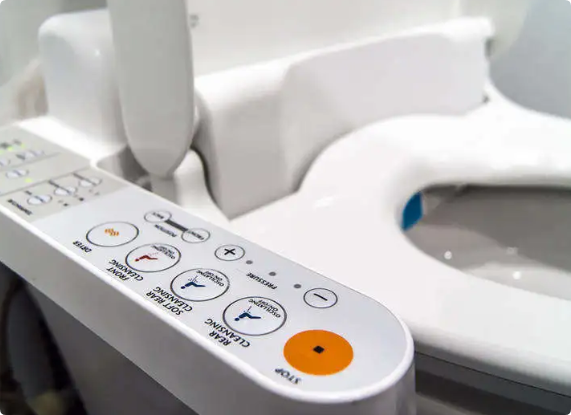
Japanese consumers care deeply about hygiene and comfort. Most toilet models come standard with features like heated seats, deodorizing functions, feminine wash settings, and auto-flush systems.
🌐 Regional Preferences & Bidet Functionality
When choosing bidet products, it’s important to understand that cultural habits and infrastructure heavily influence product preferences:
- Japan and South Korea prefer advanced smart toilet systems, focusing on features and user comfort.
- Italy and France still favor traditional standalone ceramic bidets, reflecting their long-standing cultural norms.
- Argentina and many Latin American countries lean toward simple, manual-control bidets, prioritizing cost-effectiveness.
🛠 Real-World Use Cases with Naturally Embedded Long-Tail Keywords
To help you better understand market applications real-world examples:
- A luxury condo developer in Tokyo installed an intelligent toilet with self-cleaning nozzle to reduce maintenance while elevating hygiene standards.
- A boutique hotel renovation in Paris featured custom ceramic bidets for luxury bathroom renovation, aligning with the property’s modern French aesthetic.
- A medical center in Seoul equipped patient restrooms with remote control bidet toilet seats for healthcare environments, improving comfort and safety for elderly patients.
- A mid-range residential project in Buenos Aires selected a low-maintenance bidet with basic spray functions to meet practical, budget-conscious requirements.
- A countryside villa restoration in Tuscany included a dual-spray smart toilet seat with feminine wash, enhancing the personal care experience for female guests.
🤔 FAQ – People Also Ask
Q1: Is a bidet more hygienic than toilet paper?
Yes. Water cleaning is significantly more effective at removing bacteria and preventing irritation, especially for long-term use.
Q2: Do smart bidets use a lot of electricity?
Most modern bidets include energy-saving modes and motion sensors, making their electricity consumption very low.
Q3: Can a bidet be installed in an existing bathroom?
Yes. Bidet seats are simple to install and typically require only access to water and power, while standalone ceramic bidets may need additional plumbing adjustments.
Q4: What kind of bidet is best for hotel renovation projects?
Integrated smart toilets or multi-function bidet seats are highly recommended—they save space and reduce operational complexity.
Q5: Can bidet products be customized for different markets?
Absolutely. Many manufacturers offer OEM and ODM services, including customized ceramic designs, water flow systems, voltage compatibility, and control interfaces.
🧩 Conclusion: Know the Market, Choose the Right Features
Bidet usage is expanding worldwide—but that doesn’t mean a “one-size-fits-all” approach works. A successful procurement decision depends on understanding cultural norms, project budgets, and user expectations.
For instance, high-end Japanese condos require multifunctional heated bidet toilets, while Argentine apartments may prefer cost-effective wall-hung ceramic models.
🚿 Ready to Source High-Quality Bidets for Your Project?
If you’re seeking a reliable factory partner in China to help you develop bidet toilets, smart seats, ceramic washbasins, bathroom cabinets, or LED bathroom mirrors, Danube is your ideal OEM & ODM manufacturer.
With years of experience serving global hotel projects, commercial facilities, and residential developments, we specialize in delivering customized sanitary ware solutions that meet international quality and aesthetic standards.
Need product catalogs, free samples, or a custom quotation?
Contact Danube—we don’t just manufacture, we help you create value with intelligent bathroom design.