
An Analysis for B2B Purchasers
Smart toilets have transformed the modern bathroom experience, providing users with features such as automatic flushing, seat warming, water sprays, air drying, and more. As a leading manufacturer of smart toilets, DanubeToilet understands the many benefits these innovative products bring to homes and businesses alike. However, it’s crucial for B2B purchasers—those supplying hotels, large commercial spaces, and construction projects—to be aware of the potential drawbacks before making procurement decisions.
While smart toilets can elevate hygiene standards and offer convenience, they come with certain disadvantages that B2B purchasers should carefully evaluate before deciding whether or not they are the right investment for their projects.
1. High Initial Cost
One of the most obvious disadvantages of smart toilets is their high initial cost compared to standard models. Traditional toilets come at a fraction of the price, while smart toilets can range from a few hundred to several thousand dollars per unit, depending on the features and brand.
For B2B purchasers, this cost difference may significantly impact the overall project budget, especially in large-scale installations. For hotels, office buildings, or residential developments requiring hundreds of units, the price difference between traditional and smart toilets can add up quickly.
Key Considerations:
- Procurement Cost: When calculating bulk orders for large facilities, smart toilets can drive up costs significantly.
- Cost Recovery: Will the investment in smart toilets offer enough return in terms of tenant satisfaction or increased rent/value to justify the upfront expense?
2. Maintenance and Repairs
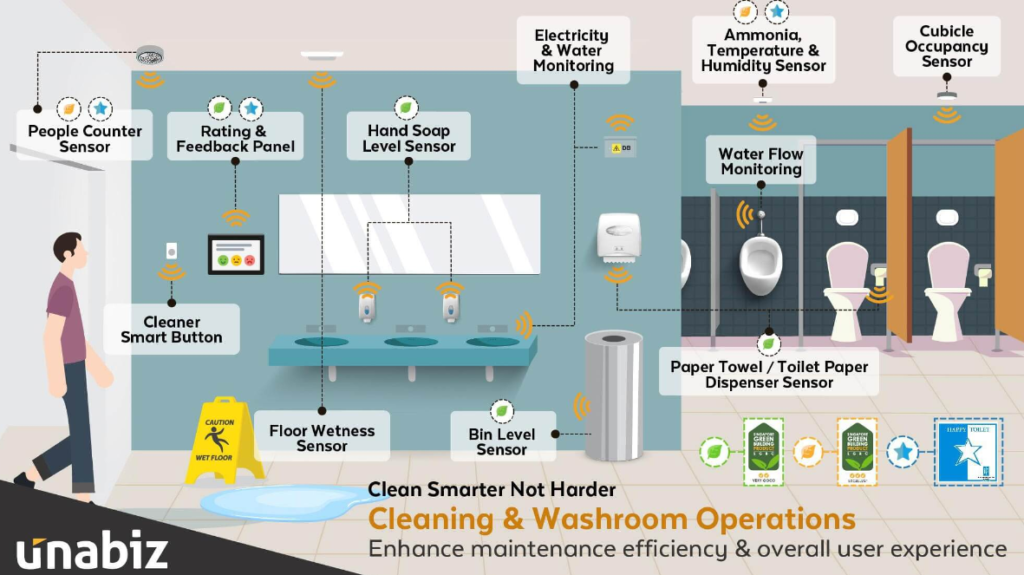
Smart toilets rely heavily on electronic components and sensors, making them more prone to breakdowns compared to traditional mechanical toilets. Issues such as software glitches, sensor malfunctions, and connectivity problems can arise, leading to higher maintenance requirements.
For B2B purchasers supplying hotels or high-traffic environments, increased maintenance can translate into higher operational costs over time. Facilities management teams need to be well-versed in the specific technical requirements of smart toilets, and in some cases, specialized technicians may be required for repairs. This increases downtime and may inconvenience customers, especially in hospitality settings.
Key Considerations:
- Complexity of Repairs: Will your maintenance team be able to handle smart toilet repairs, or will you need specialized support from the manufacturer?
- Availability of Spare Parts: Ensure that replacement parts are readily available, as waiting for specific components can extend repair times.
3. Power Dependence
One major disadvantage of smart toilets is their reliance on electricity. Unlike traditional toilets, which function purely on water pressure, smart toilets need a constant power source to operate their advanced features. In the event of a power outage, key functionalities such as automatic flushing, heated seats, and bidet features become unavailable.
For commercial facilities and hotels, this is a critical factor to consider. Backup power solutions, such as generators or battery systems, may need to be in place to ensure continuous operation, adding another layer of cost and complexity.
Key Considerations:
- Power Infrastructure: Does your facility have the necessary electrical infrastructure to support smart toilets across multiple units?
- Backup Solutions: What power backup systems will be necessary to prevent service disruptions during outages?
4. Learning Curve for Users
The introduction of smart toilets into public spaces or high-traffic environments can pose a challenge for users unfamiliar with the technology. While younger, tech-savvy individuals may quickly adapt, older or less tech-inclined users may find smart toilets confusing or intimidating.
This learning curve can lead to user dissatisfaction or improper use of the toilets, potentially causing malfunctions. For B2B purchasers in hospitality or commercial real estate, it’s important to ensure that users can easily operate smart toilets without complications.
Key Considerations:
- User-Friendly Design: Choose smart toilets that prioritize ease of use and offer clear instructions for users.
- Staff Training: Train facility staff to assist guests or employees who may struggle with using smart toilets.
5. Environmental Concerns
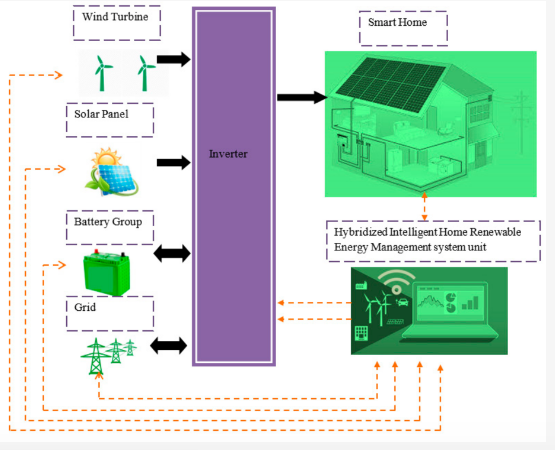
While smart toilets often promote water efficiency through adjustable flushing mechanisms, their reliance on electricity poses an environmental dilemma. The energy consumption required to power these toilets—especially in large installations with hundreds of units—can offset the water savings, depending on the power source.
In regions with high electricity costs or those aiming to reduce carbon footprints, this added energy consumption may be seen as a disadvantage. For businesses prioritizing sustainability, the increased energy usage of smart toilets may conflict with their eco-friendly objectives.
Key Considerations:
- Energy Consumption: Review the energy efficiency ratings of smart toilets and consider models designed to minimize power use.
- Sustainable Energy Sources: Can the increased energy demand be offset with renewable energy solutions such as solar or wind?
6. Integration Challenges
Smart toilets often need to integrate with other smart building systems or apps to maximize their potential. This can create compatibility challenges if a facility is using older infrastructure or systems that don’t align with newer smart technology.
For B2B purchasers working on renovation or retrofit projects, this can present an obstacle. Ensuring seamless integration between smart toilets and the building’s other systems (such as HVAC or lighting) may require additional investment in infrastructure or software.
Key Considerations:
- Compatibility: Ensure that your facility’s existing systems can integrate with smart toilets without requiring major upgrades.
- Future-Proofing: Invest in smart toilets that offer the flexibility to adapt to future technological advancements.
7. Privacy and Data Security Concerns
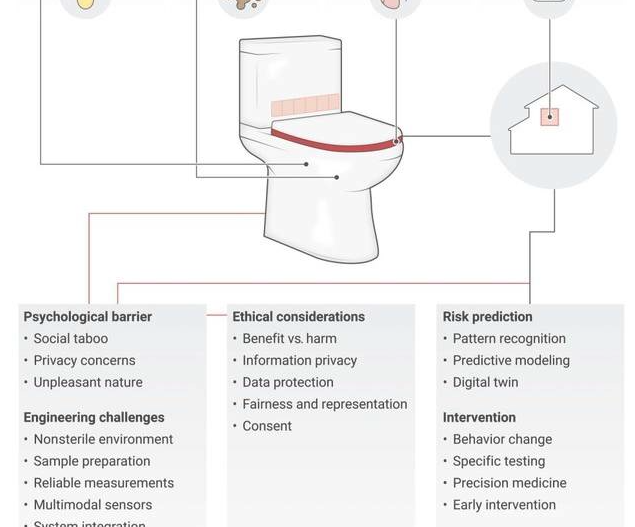
As smart toilets increasingly come equipped with connectivity features such as Wi-Fi or Bluetooth, there’s a growing concern over privacy and data security. Some smart toilets collect data on water usage, user preferences, and more, raising questions about where this data is stored and how it is used.
For high-end hotels, office buildings, or public facilities, this could become a sensitive issue, especially in regions with strict data protection laws. Ensuring that smart toilets comply with all necessary regulations is critical to avoid potential legal and reputational risks.
Key Considerations:
- Data Security: Ensure that any data collected by smart toilets is securely encrypted and stored in compliance with local privacy laws.
- User Consent: Provide transparency to users about the data being collected and how it will be used.
8. Limited Lifespan of Electronics
While traditional toilets can last for decades with minimal upkeep, the same cannot always be said for smart toilets. Electronic components naturally have a shorter lifespan compared to ceramic fixtures. Over time, the sensors, processors, and other technology embedded in smart toilets may degrade, requiring frequent updates or replacements.
This limited lifespan can add to the long-term costs of maintaining smart toilets in high-use environments like hotels or office buildings. B2B purchasers must weigh the benefits of advanced technology against the reality of more frequent replacements or upgrades.
Key Considerations:
- Durability of Electronics: Evaluate the quality of the electronic components in the smart toilets you are considering.
- Lifecycle Costs: Calculate the long-term costs of ownership, including potential upgrades or replacements of electronic parts.
9. Cultural Preferences and Market Acceptance
Despite the growing popularity of smart toilets in certain regions, not all markets have embraced the technology equally. In some countries, users may still prefer traditional toilets or may view the features of smart toilets as unnecessary or overly complicated.
For B2B purchasers sourcing products for global markets, it’s important to consider local preferences and cultural differences. For example, in markets where bidets are not common, smart toilets with bidet functions may not resonate with consumers.
Key Considerations:
- Market Research: Conduct thorough market research to understand regional preferences and whether smart toilets will be well-received.
- Customization Options: Work with manufacturers to customize features based on local market demands.
Conclusion
For B2B purchasers, the decision to invest in smart toilets requires careful consideration of both the advantages and disadvantages. While smart toilets can offer luxury, efficiency, and innovation, they come with higher costs, maintenance demands, and potential integration challenges. By weighing these disadvantages against the potential benefits for your specific project or clientele, you can make informed procurement decisions that align with your budget and customer expectations.
DanubeToilet is committed to providing high-quality smart toilets designed with B2B purchasers in mind. Our products combine cutting-edge technology with user-friendly design, offering the best of both worlds for hotels, office buildings, and large-scale construction projects. Contact us today to learn more about our range of smart toilets and how they can be tailored to meet your project’s needs