
In today’s fast-changing world, sustainability has become more than just a buzzword—it’s a way of life. This shift is transforming industries, including bathroom products. From ceramic toilets to intelligent mirrors, sustainable design is redefining what it means to create functional, stylish, and eco-friendly bathroom spaces.
At Danube, we understand the increasing demand for environmentally conscious products. As a trusted supplier of ceramic toilets, washbasins, bathroom vanities, and smart bathroom products, we embrace innovation and sustainability to meet the needs of our global clients.
This blog explores the trend toward sustainable bathroom products, offering practical insights for architects, contractors, and procurement managers working on hotel and residential projects worldwide.
What Is Sustainable Design in Bathroom Products?
Sustainable design in bathroom products focuses on reducing the environmental impact while enhancing functionality and aesthetics. This includes:
- Eco-Friendly Materials: Using recycled, biodegradable, or sustainably sourced materials.
- Water-Saving Technology: Products designed to minimize water consumption, such as low-flow toilets and faucets.
- Energy Efficiency: Incorporating LED lighting, smart sensors, and low-energy systems.
- Durability: Long-lasting products that reduce waste over time.
- Minimalist Aesthetics: Designs that use fewer resources while creating a timeless, elegant look.
Why Are Sustainable Bathroom Products in Demand?
The push toward sustainability is being driven by:
- Environmental Regulations: Countries worldwide are implementing stricter eco-standards.
- Consumer Awareness: Homeowners and businesses want products that align with their values.
- Cost Savings: Energy- and water-efficient solutions reduce utility bills.
- Global Green Building Standards: Certifications like LEED require the use of sustainable materials and technologies.
Sustainable Bathroom Product Innovations
1. Water-Saving Toilets
Modern toilets now feature dual-flush systems and vacuum technology that significantly reduce water usage. For example:
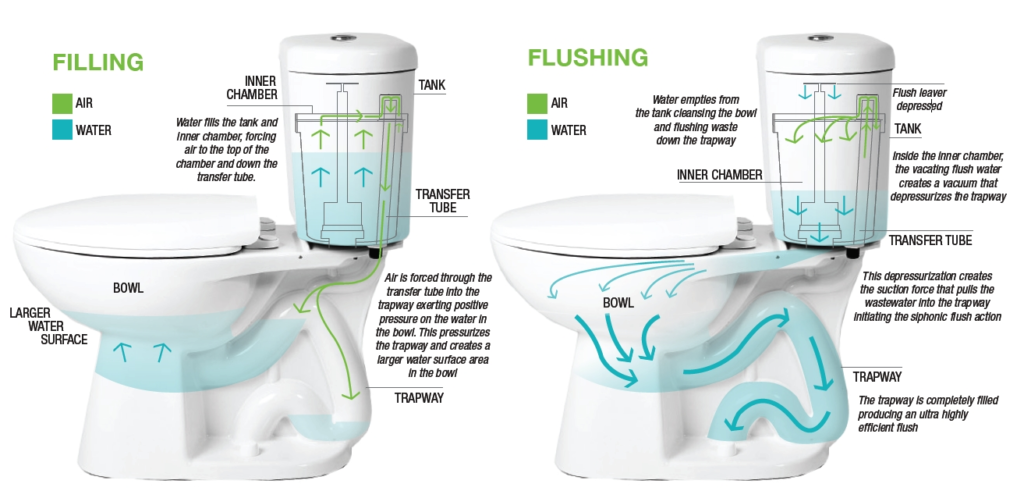
- A standard toilet uses about 6 liters per flush, while a dual-flush system can use as little as 3 liters.
2. Smart Bathroom Mirrors
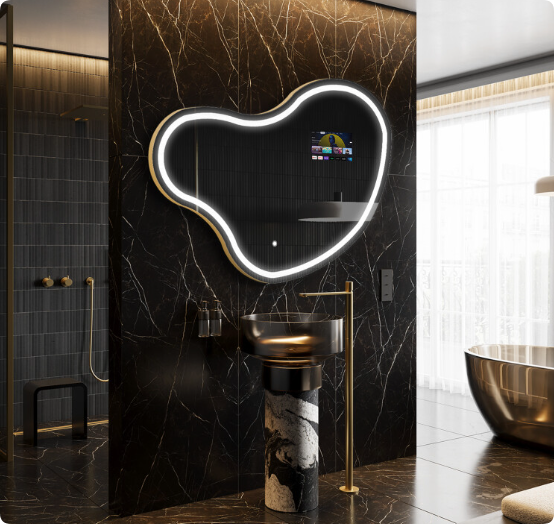
Intelligent mirrors with LED lighting and motion sensors ensure minimal energy consumption while offering superior functionality.
3. Recycled and Natural Materials
Bathroom vanities made from recycled glass, bamboo, or FSC-certified wood are becoming more popular.
4. Smart Showers and Faucets
With touchless technology and temperature control, smart showers reduce water waste without sacrificing luxury.
5. Ceramic Products with Low Environmental Impact
Danube’s ceramic washbasins and toilets are made using low-energy manufacturing processes, reducing CO2 emissions.
Comparing Sustainable Features Across Brands


Here’s a comparison of five renowned brands leading the sustainability movement in bathroom design.
| Brand | Specialty | Sustainability Features | Key Product Examples |
|---|---|---|---|
| Toto | Smart toilets | Dual-flush systems, energy-efficient heated seats | Neorest Smart Toilet Series |
| Kohler | Water-saving solutions | Eco-friendly materials, low-flow faucets | Highline Arc Dual-Flush Toilet |
| Duravit | Minimalist, durable bathroom designs | FSC-certified wood, energy-efficient systems | DuraStyle Washbasin |
| Grohe | Innovative shower and faucet designs | Smart water systems, recycled materials | Grohe EcoJoy Showerheads |
| Laufen | High-end ceramic bathroom products | Low-carbon manufacturing, water-saving technology | Laufen Cleanet Navia |
Sustainable Design Trends for 2025
As we look ahead, these are the key trends shaping the future of sustainable bathroom design:
- Integrated Smart Systems: Bathrooms equipped with IoT-enabled systems to monitor and reduce resource consumption.
- Biophilic Design: Incorporating natural elements like greenery and natural lighting for a serene, eco-friendly aesthetic.
- Customizable Features: Products tailored to specific user needs, minimizing unnecessary resource use.
- Circular Economy: Using products designed to be recycled or reused at the end of their lifecycle.
FAQ: What People Are Asking About Sustainable Bathroom Products
Q: Are sustainable bathroom products more expensive?
A: While the initial cost may be higher, energy and water savings over time make these products cost-effective in the long run.
Q: How do smart toilets contribute to sustainability?
A: Smart toilets often include dual-flush systems, self-cleaning technology, and energy-saving heated seats, reducing both water and electricity usage.
Q: What materials are most eco-friendly for bathroom vanities?
A: Bamboo, recycled glass, and FSC-certified wood are popular sustainable materials for bathroom furniture.
Q: Can sustainable design work for luxury bathrooms?
A: Absolutely. Luxury and sustainability go hand-in-hand with smart, minimalist designs and eco-friendly materials.
Q: Which countries have the strictest sustainability regulations for bathrooms?
A: Countries in the EU, as well as Japan and Australia, have some of the strictest regulations, driving the demand for sustainable products.
Why Danube?
At Danube, we’re proud to contribute to the global sustainability movement with our line of eco-friendly bathroom products. Whether you’re sourcing for a high-end hotel project or residential development, our OEM and ODM services ensure you’ll get customizable, environmentally conscious solutions tailored to your needs.
From ceramic toilets designed for minimal water usage to smart mirrors with energy-saving features, our products combine quality, style, and sustainability. Contact us today to learn how we can support your next project.