A Professional Guide for B2B Purchasers
When it comes to bathroom design and functionality, understanding the distinction between a bathroom sink and a countertop is essential, especially for B2B purchasers in the construction, interior design, and sanitary ware industries. A well-informed procurement decision can streamline project completion, enhance product satisfaction, and avoid costly pitfalls. In this blog, we will dive into the key differences between bathroom sinks and countertops, their functions, material considerations, and practical advice for making procurement decisions.
1. Understanding Bathroom Sinks vs. Countertops
At a glance, a bathroom sink and a countertop may appear to serve a unified function. However, they have distinct roles within a bathroom’s layout, and understanding these differences can help buyers make better decisions.
Bathroom Sink
A bathroom sink is a functional fixture designed to hold water for washing hands, face, and other personal hygiene tasks. It typically connects to a plumbing system for water inflow and drainage. The sink’s primary role is to provide a contained, easy-to-clean surface for managing water-related activities in the bathroom.
- Function: Handles water drainage and supports sanitation tasks.
- Types: Undermount, top-mount, pedestal, vessel, wall-mounted, and integrated sink types.
- Materials: Porcelain, ceramic, stainless steel, stone, glass, and composite materials.
Undermount
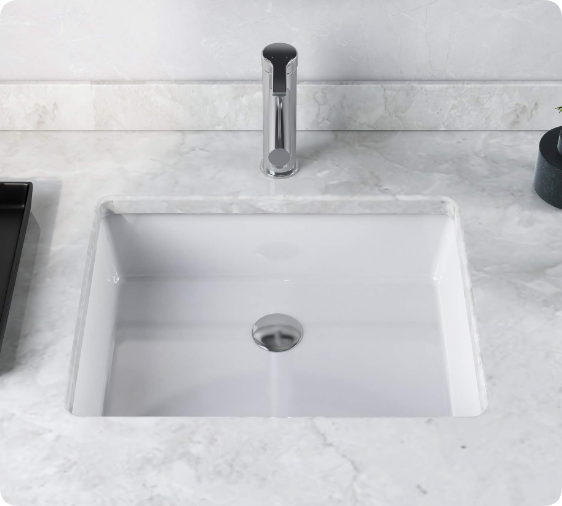
Undermount
Top-mount
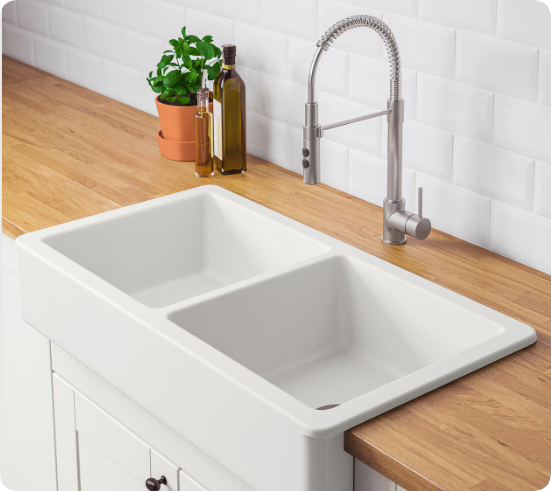
Top mount
Pedestal
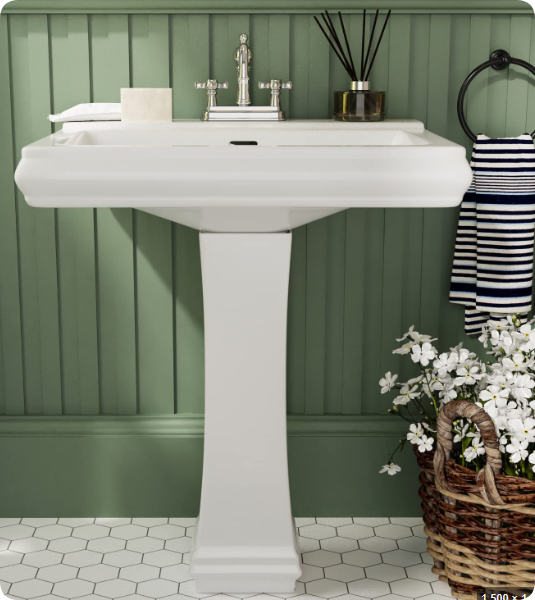
Pedestal
Vessel
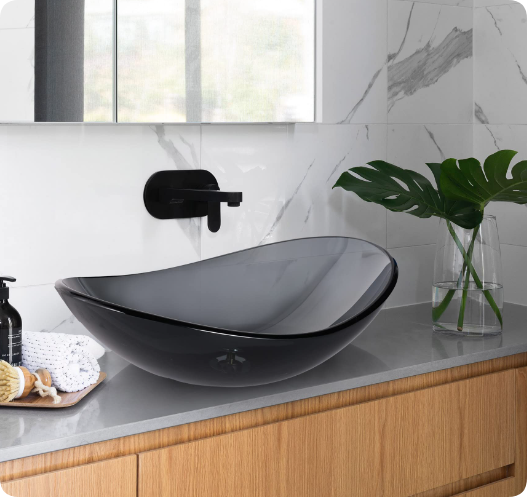
Vessel
Wall-mounted
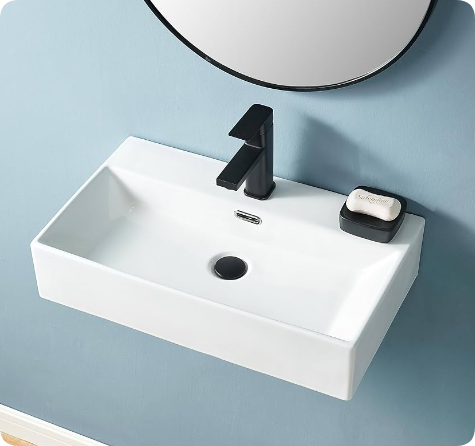
Wall mounted
Integrated sink
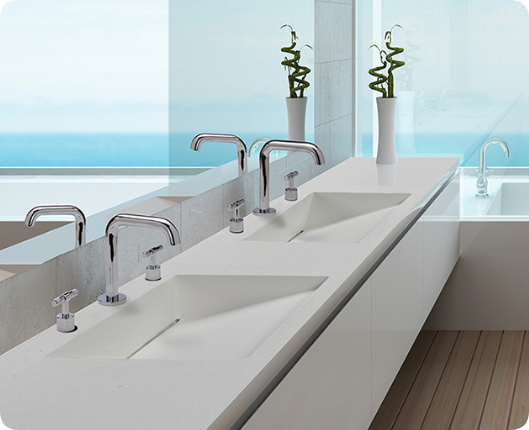
Integrated sink
Countertop
A countertop is a flat horizontal surface that sits above cabinets or as part of a vanity unit in the bathroom. It serves as a workspace for placing toiletries, grooming products, or decorative items. While it often holds a sink, it is primarily used for its storage and organization capacity.
- Function: Provides space for storage, organization, and aesthetic enhancement.
- Materials: Quartz, granite, marble, solid surface materials, laminate, and composite stone.
2. Key Differences Between a Bathroom Sink and a Countertop
Now that we’ve defined the two, let’s explore their critical differences to avoid confusion when specifying products for a bathroom project.

Bathroom Sink Installation
a. Functional Roles
The primary difference lies in their function. A sink is primarily for water usage and drainage, while a countertop is more focused on surface utility and storage. This functional division makes it essential to treat them as separate components when sourcing.
b. Placement and Integration
- Sink Placement: The sink is installed either as a standalone fixture (pedestal or wall-mounted) or integrated into the countertop.
- Countertop Placement: The countertop surrounds or supports the sink. Some sinks (vessel sinks, for example) rest on top of the countertop, making countertop design integral to sink installation.
c. Material Durability and Suitability
Sinks and countertops are often made from different materials due to their specific roles. Sinks need materials that can handle constant exposure to water and cleaning products. Countertops, on the other hand, require more durability against scratches, heat, and impacts since they serve as working surfaces.
- Sink Materials should be water-resistant, easy to clean, and able to withstand thermal changes. Porcelain, stainless steel, and ceramics are commonly used.
- Countertop Materials should have impact resistance, heat tolerance, and aesthetics. Popular materials include granite, quartz, and solid surfaces.
d. Installation and Maintenance
- Sink Installation: Depending on the type of sink (undermount, top-mount, or integrated), the installation process varies. Each type requires specific mounting techniques and may influence the type of countertop needed.
- Countertop Installation: Countertops require precision measurements, proper cutting, and leveling. The material and size of the countertop influence how well it integrates with the chosen sink type.
3. Common Pitfalls in Procuring Sinks and Countertops for B2B Purchasers
In the procurement process, confusion between sinks and countertops can lead to costly errors. As a B2B purchaser, it’s crucial to avoid the following pitfalls:
a. Mismatch in Materials
Choosing incompatible materials for sinks and countertops is a frequent issue. For instance, pairing a heavy stone sink with a lightweight laminate countertop could cause installation difficulties or long-term durability problems. Always ensure that the sink material complements the countertop’s structural integrity.
b. Incorrect Size and Fit
Improper sizing is one of the most common mistakes in bathroom sink and countertop procurement. Measuring the dimensions of the bathroom space, cabinet size, and sink basin is critical to ensure that the sink and countertop fit together seamlessly. For example, a vessel sink may require a larger countertop to accommodate its footprint, while undermount sinks may require more precise countertop cutouts.
c. Overlooking Installation Requirements
Different sinks have different installation requirements, especially when it comes to plumbing access. Failure to account for the plumbing layout and countertop thickness can result in installation delays or necessitate modifications that increase costs.
d. Ignoring Maintenance Needs
Not all materials are created equal when it comes to upkeep. High-maintenance materials, such as marble countertops, may not be ideal for high-traffic or commercial settings. Similarly, vessel sinks made of delicate materials like glass may not be suitable for public bathrooms where they could experience heavy use.
4. Factors to Consider When Procuring Bathroom Sinks and Countertops
To avoid the above-mentioned pitfalls and ensure a successful purchase, B2B buyers should consider the following factors during procurement:
a. Material Compatibility
Ensure that both the sink and countertop materials are compatible with each other in terms of durability, strength, and maintenance requirements. For example, pairing a heavy stone sink with a quartz countertop can provide a solid and reliable solution.
b. Design and Aesthetic Appeal
The design of the bathroom should influence sink and countertop selection. Modern bathrooms often prefer sleek, minimalistic sink designs, such as undermount sinks paired with seamless quartz countertops. Traditional designs might favor porcelain sinks with marble countertops.
c. Durability and Longevity
Consider the environment in which the sink and countertop will be used. High-traffic commercial bathrooms may require more durable materials such as stainless steel sinks and quartz countertops, while residential spaces may focus more on aesthetic appeal.
d. Ease of Installation
Choose sink and countertop products that align with the project’s installation capabilities. Some materials, such as granite, may require professional installation due to their weight and cutting requirements, while laminate countertops are easier to handle.
e. Water and Stain Resistance
For sinks, materials like ceramic and stainless steel offer excellent water resistance and easy cleaning. Countertops that are exposed to water, such as those around sinks, should be chosen with stain resistance in mind, making non-porous surfaces like quartz a preferred choice.
f. Budget and Availability
Balancing cost with quality is key in large-scale projects. B2B buyers should always consider product availability, lead times, and pricing. Opting for locally sourced or readily available materials can reduce costs and ensure timely project completion.
5. Conclusion: Making the Right Choice for Your Bathroom Project
Understanding the differences between bathroom sinks and countertops is fundamental for B2B purchasers seeking to make informed decisions. While the sink and countertop work together in a functional and aesthetic relationship, they are distinct components that require separate attention during the procurement process.
By considering factors such as material compatibility, functionality, and installation requirements, and by avoiding common pitfalls, B2B buyers can ensure successful project execution and long-lasting results.
Danube Sanitary Ware specializes in providing high-quality bathroom sinks, countertops, and other sanitary products, offering a wide range of customizable options to meet diverse project needs. For B2B purchasers, partnering with a reliable supplier like Danube ensures access to expert advice, premium materials, and exceptional customer service.
By keeping these points in mind, B2B buyers can avoid procurement issues and make the best choices for their projects. If you are looking for more guidance or product options, reach out to Danuhttps://danubetoilet.com/product-category/sanitary-ware-toilet-bowl-washbasin-sink/be Sanitary Ware to discuss your bathroom sink and countertop needs.