
The cost to install a smart toilet depends on several factors, including the price of the toilet itself, labor charges, and any additional features you opt for during the installation process. Here’s a detailed breakdown to help you estimate the costs:
1. Smart Toilet Prices
Smart toilets come in a wide range of prices depending on their features, brand, and design. Some key factors that influence the price of a smart toilet include:
- Basic Features: Heated seats, bidet functions, and air-dryers are common in most smart toilets. Basic models with these features can cost anywhere from $500 to $1,500.
- Advanced Features: Higher-end models might include features like self-cleaning, automatic flushing, remote control, built-in deodorizers, and night lighting. These models can range between $1,500 and $5,000, depending on the brand and additional features.
- Luxury Models: If you’re considering luxury brands or top-tier models that include all the advanced features with a sleek design, you could spend anywhere from $5,000 to $10,000 or more.
2. Labor and Installation Costs
The installation of a smart toilet requires a skilled professional because smart toilets typically involve both plumbing and electrical work. Here’s what to expect:
- Plumbing Work: If the existing plumbing setup is suitable for a smart toilet, the labor costs can range between $100 to $500. However, if new piping or rerouting is needed, this cost could increase significantly, potentially adding $500 to $1,000 or more.
- Electrical Work: Smart toilets usually require an electrical outlet to function. If there isn’t one near the toilet, an electrician will need to install one, which can cost an additional $200 to $500, depending on the complexity of the job.
On average, professional installation for a smart toilet (plumbing and electrical) can range from $300 to $1,000.
3. Additional Costs
Some additional costs may include:
- Upgrading Water Lines: If your home has older or low-pressure water lines, you may need to upgrade them to support the water pressure required for certain bidet functions. This could add an extra $200 to $500 to the total cost.
- Smart Home Integration: If you want your smart toilet to integrate with a broader smart home system (for voice activation, for instance), additional hardware or software may be required, which could increase the cost by $100 to $300.
- Warranties and Extended Services: Some brands offer extended warranties, maintenance plans, or installation packages. These could range from $100 to $500, depending on the manufacturer and retailer.
Estimated Total Costs
In summary, the cost to install a smart toilet can vary significantly based on the toilet’s price, the complexity of the installation, and any additional work that might be needed. Here’s a rough estimate for different scenarios:
- Entry-Level Smart Toilet: $500 – $1,000 for the toilet + $300 – $700 for installation = $800 to $1,700 total.
- Mid-Range Smart Toilet: $1,500 – $3,000 for the toilet + $500 – $1,000 for installation = $2,000 to $4,000 total.
- Luxury Smart Toilet: $5,000 or more for the toilet + $800 – $1,500 for installation = $5,800 to $11,000 total.
Smart Toilet Installation Steps
Installing a smart toilet is more complex than installing a traditional toilet due to the electrical components and specialized features involved. Here’s a step-by-step guide to help understand the general installation process:
Step 1: Prepare the Area
- Turn off the Water Supply: Shut off the water supply to the existing toilet and flush it to remove any remaining water. Use a towel or sponge to soak up any excess water in the tank or bowl.
- Disconnect the Old Toilet: If you’re replacing an old toilet, disconnect the water supply line and remove the toilet by unscrewing the bolts securing it to the floor. Remove the wax ring and clean the flange area to prepare it for the new smart toilet.
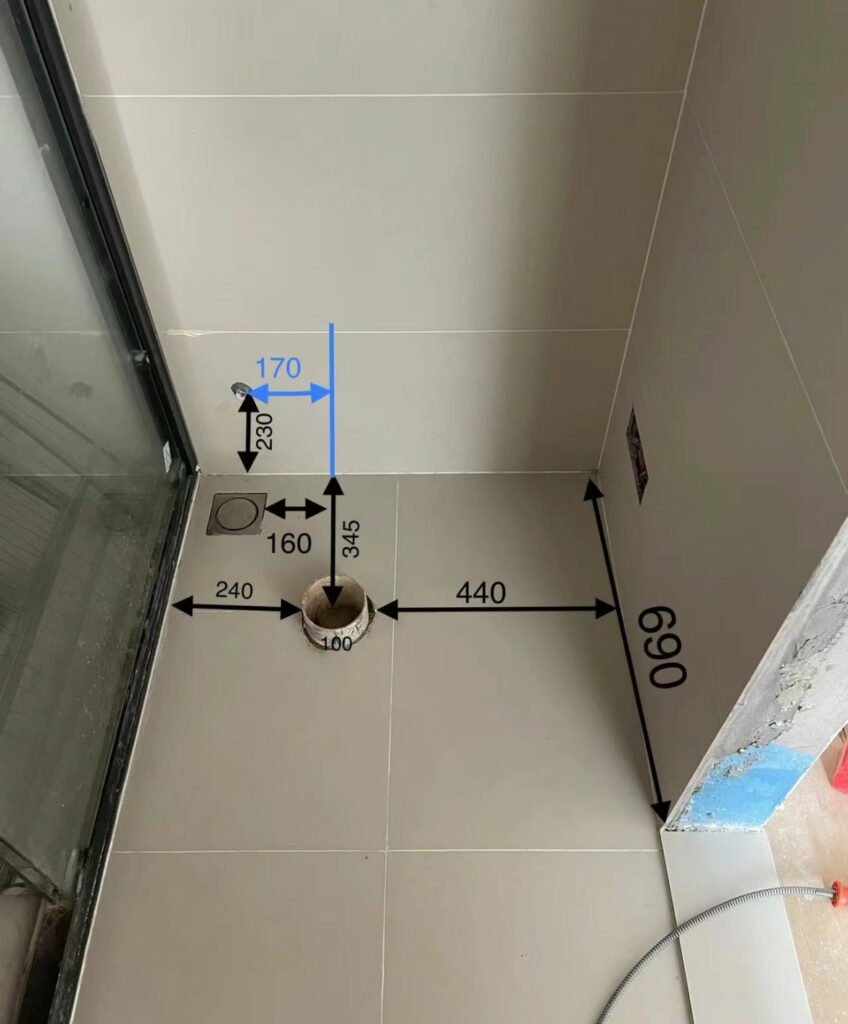
Step 2: Install the Water Supply Line
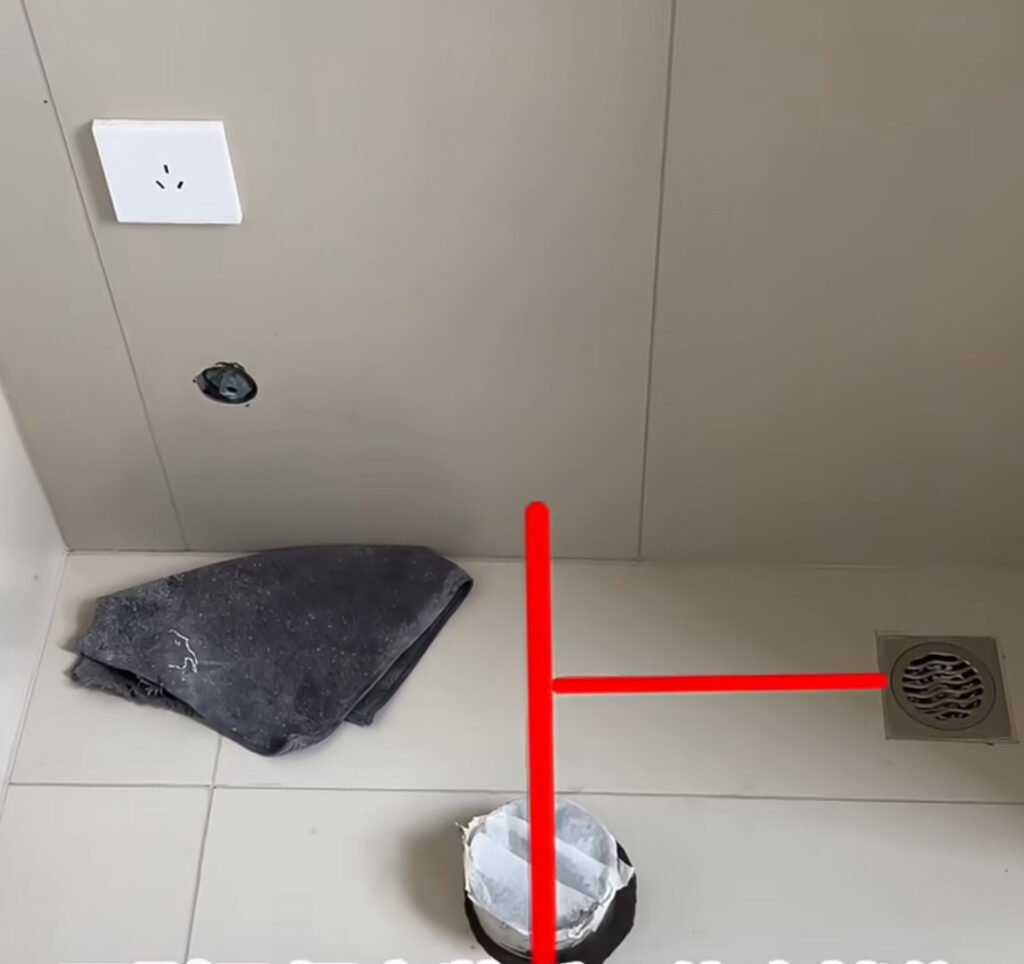
Attach New Line: If the smart toilet requires a new water supply line or needs upgrades for water pressure, this is when a plumber will install it. Ensure it meets the requirements specified by the toilet manufacturer.
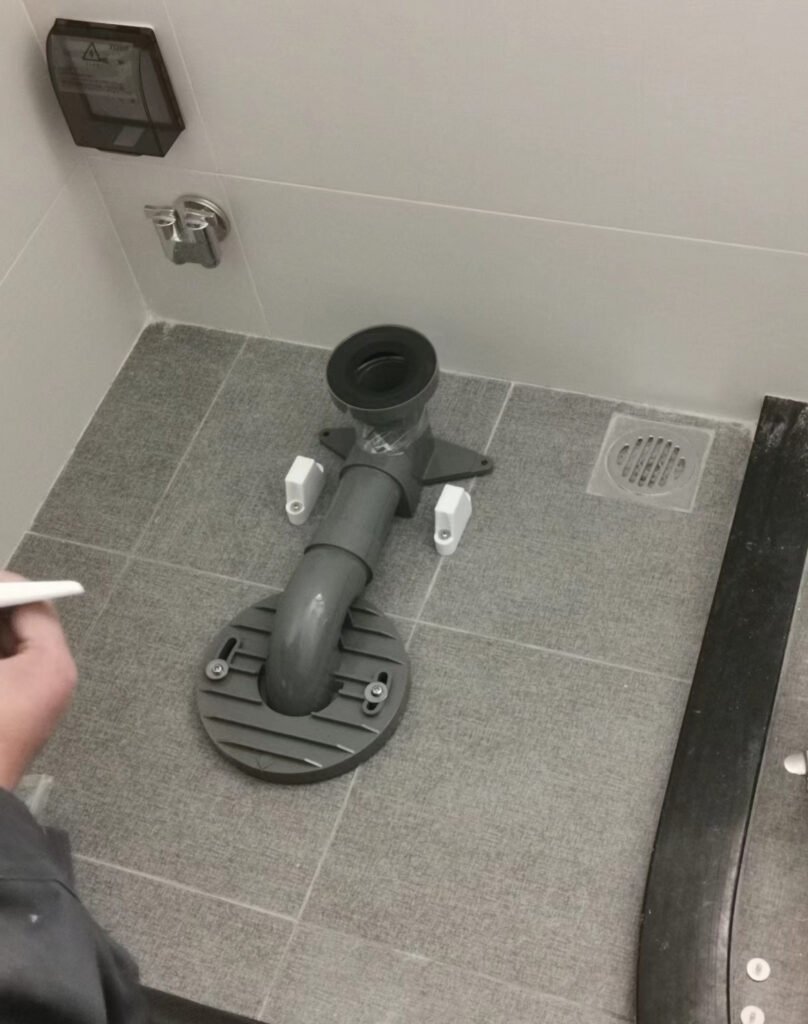
Step 3: Install an Electrical Outlet
- Install a GFCI Outlet: Smart toilets need a GFCI (ground fault circuit interrupter) outlet nearby. If one isn’t already in place, an electrician will install one. The outlet should be within a short distance from the toilet, as most smart toilets come with a cord that connects to the outlet.
- Ensure Proper Voltage: Make sure the electrical outlet provides the correct voltage, typically 120V, as specified by the manufacturer.
Step 4: Mount the Smart Toilet
- Align the Toilet with the Flange: Position the new smart toilet over the floor flange and align it properly. Some models may require specific mounting brackets or plates.
- Install the Wax Ring: Like traditional toilets, smart toilets use a wax ring to create a seal between the toilet and the drainpipe. Place the new wax ring on the flange before lowering the smart toilet into place.
- Secure the Toilet: Once aligned, secure the toilet by tightening the bolts at the base. Be careful not to overtighten, as it could crack the porcelain.
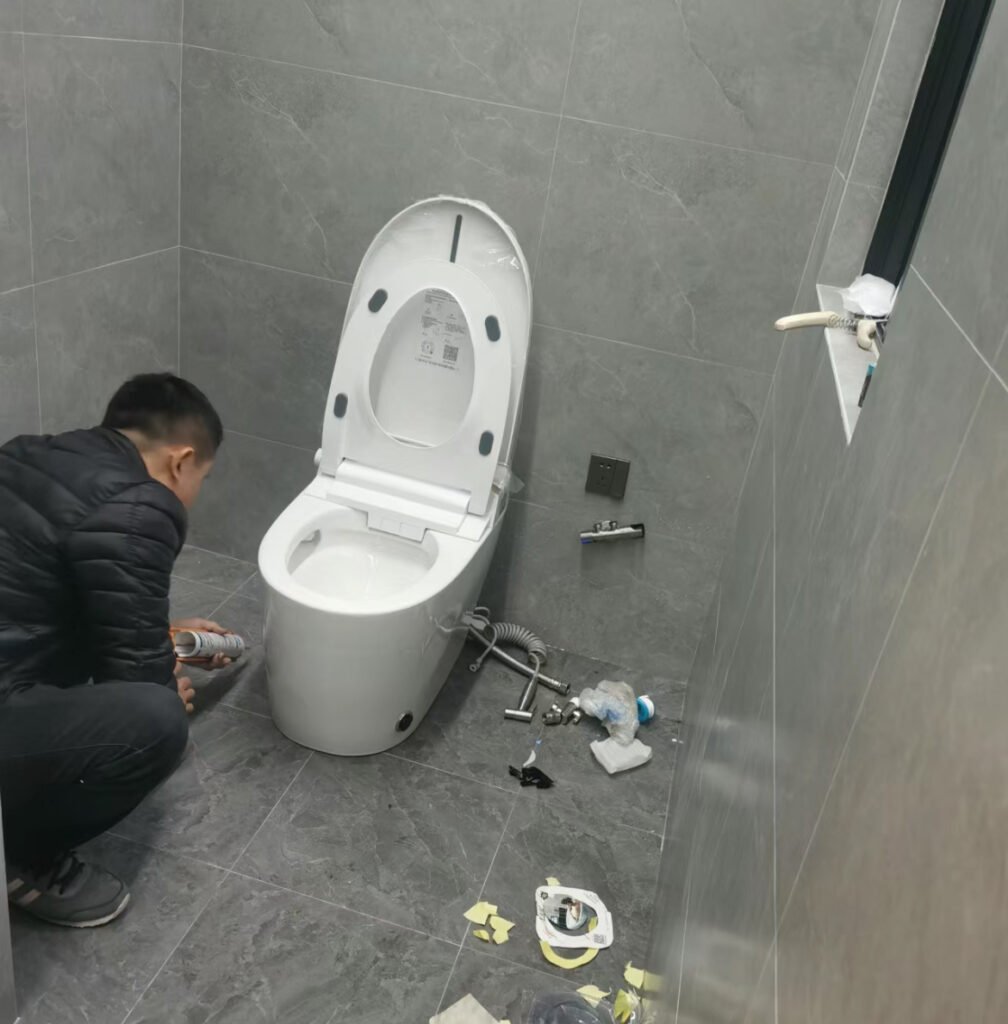
Step 5: Connect the Water Supply
- Attach Water Supply Hose: Connect the water supply line to the smart toilet. Use plumber’s tape to ensure a watertight seal.
- Turn on the Water: Turn the water back on and check for leaks around the connection points.
Step 6: Connect the Power
Plug the Toilet into the GFCI Outlet: Plug the smart toilet into the nearby GFCI outlet. Ensure all electrical components are safely connected, and test the power to ensure the outlet is working properly.

Step 7: Test the Smart Features
- Check Functionality: Once the toilet is securely installed and powered, test all the smart features, including the bidet function, heated seat, air dryer, and any remote control options.
- Adjust Settings: Most smart toilets allow you to customize settings such as water temperature, spray intensity, and seat heat. Adjust these settings to your preferences.
Step 8: Seal and Finish
- Apply Caulk: To provide additional stability and prevent water from seeping under the toilet base, apply a bead of silicone caulk around the base of the toilet.
- Final Check: Perform a final check of all connections, ensuring that everything is functioning properly and that there are no leaks.
Conclusion
The cost of installing a smart toilet can range from a few hundred to several thousand dollars, depending on the toilet’s features and the complexity of the installation. The process itself involves a combination of plumbing and electrical work, making it essential to hire professionals for a seamless installation.
Investing in a smart toilet not only offers a more hygienic and comfortable bathroom experience but can also increase the value of your home. With the right planning and professional help, installing a smart toilet can be a relatively straightforward process with long-term benefits.