
A Comprehensive Guide For Smart Toilet
In recent years, smart toilets have evolved from being luxury items to essential household fixtures, combining cutting-edge technology with daily utility. These high-tech devices, boasting features such as automated flushing, heated seats, bidets, air dryers, and even self-cleaning capabilities, promise both comfort and hygiene. However, as with any advanced device, prospective buyers and current users are keen to know the answer to a critical question: how long do smart toilets last?
In this pillar post, we’ll dive deep into the lifespan of smart toilets, exploring various factors that influence their longevity, tips for maintenance, signs of wear, and how they compare to traditional toilets. Whether you’re a homeowner looking to upgrade or simply researching the latest in bathroom technology, this comprehensive guide will give you everything you need to know about smart toilet durability.
Section 1: Understanding the Basics of Smart Toilets
1.1 What Are Smart Toilets?
Smart toilets are advanced bathroom fixtures designed to improve personal hygiene and bathroom convenience. Unlike traditional toilets, they incorporate technology such as automatic flushing, bidets, deodorizers, and seat warmers. Some models even feature sensors that adjust the seat height and water temperature, transforming the mundane bathroom experience into a more comfortable and sanitary one.
These devices are particularly popular in countries like Japan and are steadily gaining traction across Europe and North America.
1.2 Key Features of Smart Toilets
Before diving into the lifespan of a smart toilet, it’s crucial to understand the technology behind them. Here are some common features:
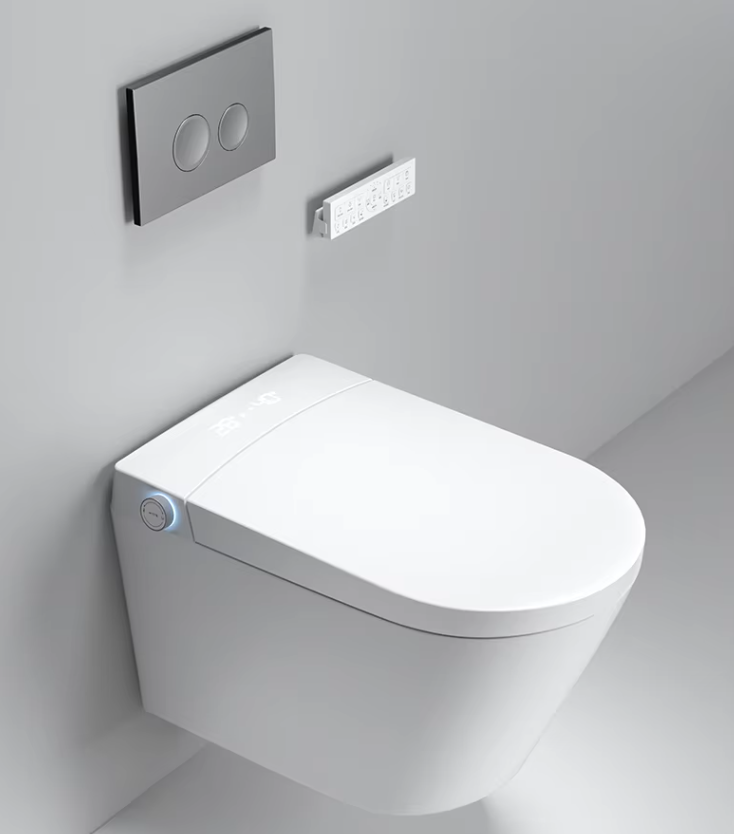
- Bidet Functionality: Water jets provide cleaning, reducing the need for toilet paper.
- Self-cleaning systems: UV lights or electrolyzed water clean the bowl and nozzle after use.
- Heated Seats: Comfortable seating during colder months.
- Deodorizers: Remove unpleasant odors.
- Air Dryers: Eliminate the need for paper products.
- Automatic Flushing: Sensors detect when the toilet has been used and flush automatically.
- Energy-saving modes: To lower electricity usage when the toilet isn’t in use.
These features, while enhancing convenience, are also part of what influences the overall longevity of a smart toilet.
Section 2: How Long Do Smart Toilets Typically Last?
2.1 Average Lifespan of Smart Toilets
On average, a high-quality smart toilet can last between 10 to 15 years with proper care and maintenance. This lifespan is comparable to traditional toilets, but with more technological components, there’s a higher need for upkeep.
The longevity of smart toilets depends largely on two factors: build quality and maintenance routines. Cheaper models may last around 7-10 years, while premium models from top manufacturers can last upwards of 15 years.
2.2 Comparison With Traditional Toilets
Traditional toilets can last 15 to 30 years depending on the material and build quality. However, they lack the complex electronics found in smart toilets. While their lifespan might seem longer, traditional toilets don’t offer the same advanced features, meaning users may not benefit from the convenience and hygiene improvements of a smart toilet.
2.3 Key Factors Influencing Lifespan
Several factors contribute to how long your smart toilet will last. These include:
- Quality of Components: Toilets built with high-quality ceramic, stainless steel nozzles, and advanced water jets tend to last longer.
- Technology Advancements: As technology improves, newer models might have better durability. Older models may not support newer software, affecting their functional longevity.
- Water Quality: Hard water can lead to mineral build-up, damaging internal parts over time.
- Frequency of Use: In households with many people, smart toilets will experience more wear and tear.
- Maintenance and Care: Regular cleaning, avoiding harsh chemicals, and performing routine inspections can extend the toilet’s lifespan.
Section 3: Maintenance Tips to Extend the Life of Your Smart Toilet
3.1 Regular Cleaning and Inspection
Regular cleaning is key to extending the life of a smart toilet. However, it’s important to avoid abrasive cleaners or brushes that can damage the toilet’s components. Instead, opt for mild, non-corrosive cleaners and soft cloths. Cleaning nozzles, filters, and sensors should be done according to the manufacturer’s guidelines.
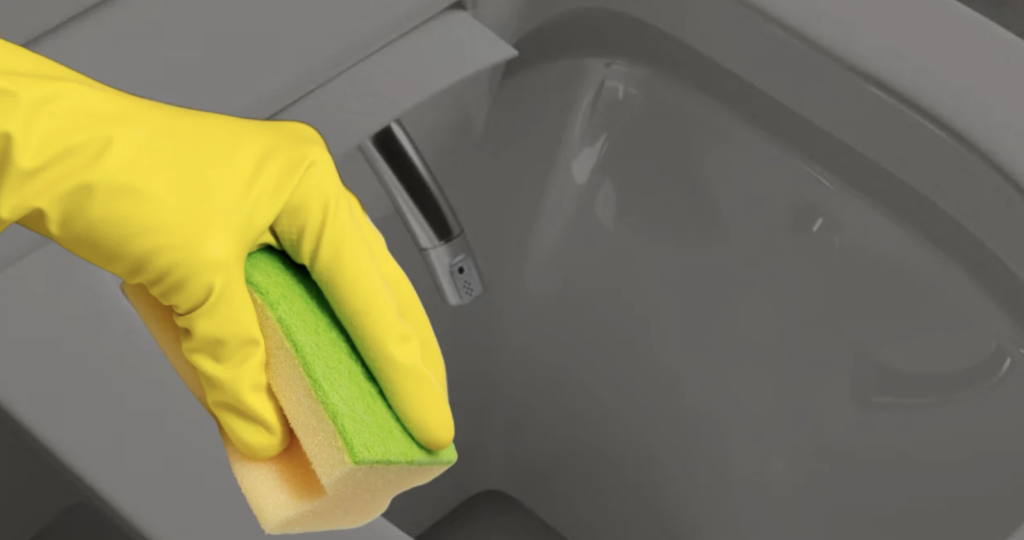
Monthly inspections of internal parts, such as the water supply valve and heating element, can prevent small issues from becoming major repairs.
3.2 Importance of Water Filtration
If you live in an area with hard water, installing a water filtration system or a water softener can greatly prolong the life of your smart toilet. Hard water can cause scaling inside pipes and nozzles, leading to clogging or reduced functionality.
3.3 Electrical Component Care
Since smart toilets rely on electronic components, it’s essential to ensure that your toilet’s electrical connections are properly grounded. Power surges can damage internal circuits, so using surge protectors is recommended.
3.4 Software Updates
Some smart toilets come with software that requires periodic updates to maintain compatibility with new features. Keeping your toilet’s software updated can improve performance and fix bugs that could otherwise shorten its lifespan.
Section 4: Common Signs Your Smart Toilet Needs Replacement or Repairs
4.1 Decreased Functionality
If the smart toilet’s features—such as the bidet or heated seat—start malfunctioning, it may be time for a repair. Replacing individual components can extend the life of your toilet, but if multiple functions are failing, a full replacement might be more cost-effective.
4.2 Leakage or Constant Repairs
Frequent repairs, water leaks, or the need to replace several components within a short time frame may indicate that the toilet has reached the end of its functional life.
4.3 Outdated Technology
As technology advances, older smart toilets may become obsolete. If your toilet cannot be updated or is missing newer features like improved energy-saving modes or advanced cleaning systems, upgrading might be a better long-term solution.
Section 5: Repair or Replace: When to Make the Call
5.1 Cost of Repairs vs. Replacement
If a smart toilet is nearing the end of its average lifespan and requires significant repairs, it may be more cost-effective to replace it entirely. However, if the repairs are minor and the toilet is still relatively new, investing in repairs can prolong its life for a few more years.
5.2 Considerations for Replacement
When considering a replacement, factors such as new features, energy efficiency, and potential water savings should be part of your decision-making process. Newer models often come with better warranty options and advanced functionalities that can save you money in the long run.
5.3 Warranty Coverage
Most smart toilets come with warranties ranging from 1 to 5 years, covering parts and labor for essential components. Reviewing your warranty before deciding on a repair or replacement is crucial, as it might cover the issue you’re experiencing.
Section 6: Popular Smart Toilet Brands and Their Lifespan Expectations
6.1 TOTO
Known for its reliability, TOTO smart toilets, particularly the Neorest line, are built to last up to 15 years with proper care. Their self-cleaning systems and water-saving features make them a top choice for long-term use.
6.2 Kohler
Kohler is another leading brand, with models like the Veil smart toilet offering an average lifespan of 12-15 years. Kohler’s focus on durability and energy-efficient features makes it a popular option for homeowners.
6.3 Ove Decors
Ove Decors smart toilets are more budget-friendly but still offer good longevity, usually lasting 10-12 years with regular maintenance.
6.4 Duravit
Duravit is renowned for its sleek, modern designs and reliable performance. Their smart toilets are designed to last up to 15 years, with a focus on sustainability and low water consumption.
Conclusion
Smart toilets are an investment in both comfort and hygiene, but like any advanced device, they require proper care to last. With an average lifespan of 10 to 15 years, these high-tech fixtures can outlast many other household appliances, provided they receive regular maintenance and timely repairs.
As you weigh the pros and cons of a smart toilet, consider factors like build quality, technological advancements, and the availability of parts for future repairs. Whether you’re upgrading an existing model or considering your first purchase, understanding the longevity and maintenance needs of smart toilets will help ensure you make the most of this innovative bathroom technology.