
Back-to-the-wall toilets are a popular choice among commercial property developers, hotels, and large-scale construction projects due to their sleek design and space-saving benefits. However, for B2B purchasers, understanding how these toilets work, their installation requirements, and their overall benefits compared to other types of toilets is essential for making the right procurement decisions.
In this blog, we will dive into the details of how a back-to-the-wall toilet functions, what makes it unique, and the key factors B2B purchasers should consider when choosing this toilet style for their projects. We will also include a comparison chart to highlight the advantages of back-to-the-wall toilets over other models, ensuring you have the knowledge to make an informed purchase.

What Is a Back-to-the-Wall Toilet?
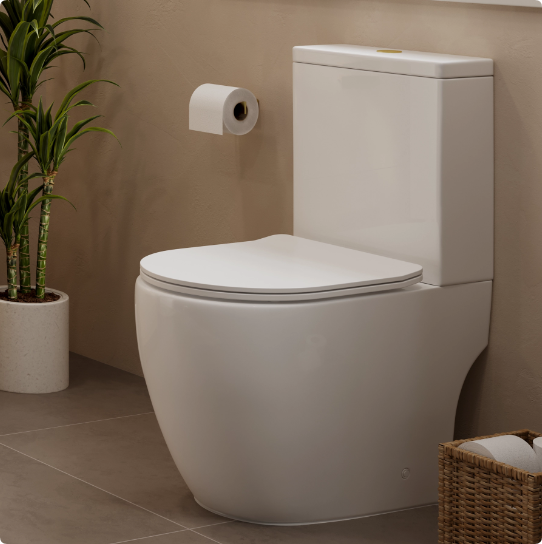
A back-to-the-wall (BTW) toilet is designed with the cistern concealed inside the wall or a furniture unit, leaving only the bowl visible. This type of toilet is known for its modern aesthetic, as the concealed cistern creates a sleek, minimalistic appearance. The toilet pan is installed directly against the wall, which not only saves space but also makes cleaning easier since there are fewer exposed areas for dust and grime to accumulate.
In terms of operation, BTW toilets work similarly to other flush toilets but with a few distinct structural differences that make them more efficient and aesthetically appealing in contemporary spaces. They are especially popular in commercial settings, where maximizing floor space and maintaining a clean, professional appearance are priorities.
How Does a Back-to-the-Wall Toilet Work?
The functioning of a back-to-the-wall toilet revolves around its hidden cistern and flush mechanism. Here’s a step-by-step breakdown of how it works:
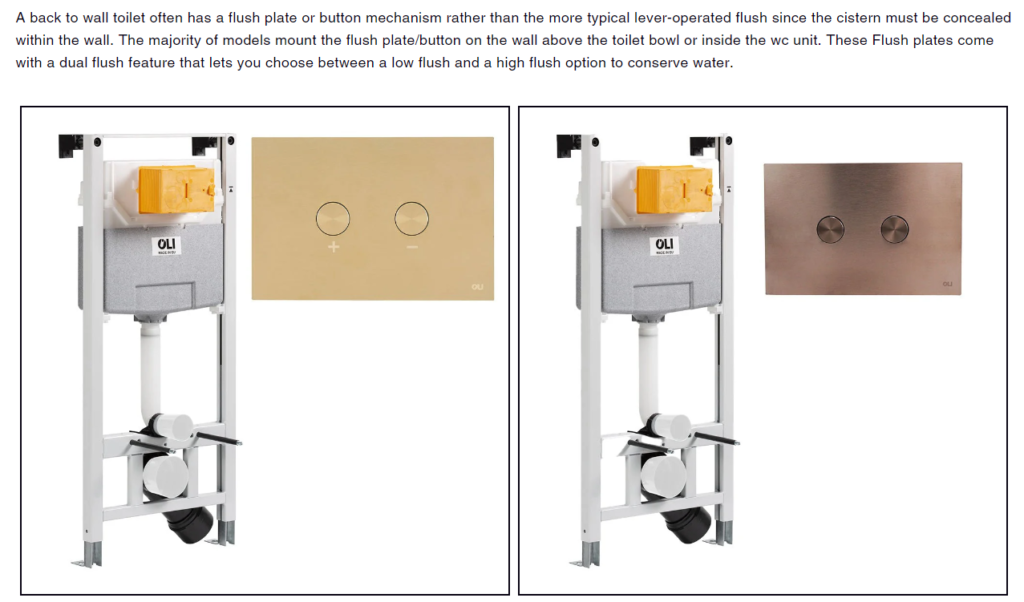
- Concealed Cistern:
The cistern is the tank that holds the water used for flushing the toilet. In a BTW toilet, this cistern is hidden either behind a wall or within a specially designed furniture unit. The cistern is connected to the toilet pan via a flush pipe, which delivers the water into the bowl when the flush is activated. - Flush Mechanism:
The flush is typically controlled by a wall-mounted button or a sensor in modern installations. When the button is pressed, the cistern releases water into the toilet bowl, effectively flushing the waste down the drain. - Waste Outlet:
The waste is removed through a soil pipe connected to the toilet. Like traditional toilets, the waste is expelled into the plumbing system and transported to the building’s main sewer line. However, since the cistern and plumbing are hidden, it gives a more seamless appearance in commercial bathrooms. - Water Efficiency:
Many back-to-the-wall toilets come with dual-flush systems, allowing users to choose between a full flush (for solid waste) and a half flush (for liquid waste). This feature not only helps in conserving water but also aligns with green building standards, making BTW toilets a preferred choice for eco-conscious projects.
Advantages of Back-to-the-Wall Toilets for B2B Purchasers
Back-to-the-wall toilets offer several advantages over traditional toilets, making them an attractive option for commercial and large-scale construction projects. Here’s a detailed look at why they may be the right choice for your next project:
1. Aesthetic Appeal
The clean and modern design of back-to-the-wall toilets is one of their standout features. By hiding the cistern and associated plumbing, these toilets present a sleek and uncluttered appearance, perfect for high-end hotels, restaurants, and offices. The reduced visual bulk can also make smaller bathrooms feel more spacious.
2. Space-Saving
Since the cistern is either built into the wall or integrated into a slim furniture unit, back-to-the-wall toilets help maximize bathroom space. This can be particularly beneficial in commercial buildings where space optimization is crucial.
3. Ease of Cleaning
With fewer exposed surfaces and no awkward crevices between the toilet and the wall, BTW toilets are easier to clean than their floor-standing counterparts. This feature is especially valuable in commercial environments where hygiene is a top priority.
4. Water Efficiency
Back-to-the-wall toilets are often equipped with dual-flush systems, helping to conserve water and reduce utility bills. This makes them an eco-friendly choice for companies looking to minimize their environmental impact.
5. Durability and Longevity
Because the cistern is concealed and protected within the wall or a furniture unit, it’s less likely to be damaged by accidental bumps or wear and tear over time. Additionally, the materials used for back-to-the-wall toilets are often of high quality, ensuring long-lasting performance.
Considerations for Installation
Before selecting a back-to-the-wall toilet, it’s important to understand the installation requirements, especially if you’re involved in the procurement process for large construction projects. Here’s what you need to know:
How to make HIDDEN ACCESS PANEL for concealed toilet cistern install
1. Concealed Cistern Access
One potential drawback of BTW toilets is that the cistern is hidden, which can make repairs or maintenance more challenging. To address this, many manufacturers design removable access panels that allow easy access to the cistern when needed. B2B buyers should verify that the models they choose have user-friendly maintenance features.
2. Wall Structure
Installing a back-to-the-wall toilet requires a sturdy wall or furniture unit that can accommodate the concealed cistern. For commercial spaces, this often means ensuring that the walls are reinforced and that there is enough space to house the flush system. Coordination with architects and interior designers during the planning stage is essential.
3. Plumbing Considerations
Back-to-the-wall toilets require more careful planning in terms of plumbing. Since the waste outlet is hidden, precise placement of the soil pipe and connections is required. Consulting with plumbing experts can help avoid issues during installation.
4. Cost and Budgeting
Due to the additional components (such as the concealed cistern and wall-hung fittings), back-to-the-wall toilets tend to be slightly more expensive than traditional floor-standing models. However, the benefits in terms of design, efficiency, and space-saving often outweigh the initial cost, making them a worthwhile investment for long-term projects.
Back-to-the-Wall Toilets vs. Other Toilet Types: A Comparison Table
| Feature | Back-to-the-Wall Toilet | Close-Coupled Toilet | Wall-Hung Toilet |
|---|---|---|---|
| Aesthetic Appeal | Sleek, modern, minimal | Traditional design | Ultra-modern, floating design |
| Space Efficiency | High | Moderate | Very high |
| Cleaning Ease | Easy | Moderate | Very easy |
| Installation Complexity | Moderate | Simple | Complex |
| Water Efficiency | Dual-flush, water-saving | Standard | Dual-flush, water-saving |
| Maintenance Accessibility | Requires access panel | Easy access to cistern | Requires wall access panel |
| Cost | Moderate to High | Low to Moderate | High |


Key Procurement Considerations for B2B Buyers
For B2B buyers, choosing the right toilet model can make a significant impact on the success of a project, both in terms of aesthetics and functionality. Here are a few final tips to guide your decision:
- Project Requirements:
Understand the specific needs of your project, including space limitations, design preferences, and budget constraints. Back-to-the-wall toilets may be ideal for high-end commercial properties, but simpler models may be more appropriate for other settings. - Supplier Reliability:
Partnering with a reliable supplier is crucial for ensuring that you receive high-quality products and efficient customer service. DanubeToilet, for example, offers a range of back-to-the-wall toilets designed for both aesthetic appeal and durability. Their products also meet international quality standards, making them a trustworthy option for large-scale B2B buyers. - Long-Term Durability:
Consider the long-term maintenance and durability of the toilets you select. While BTW toilets are often more expensive upfront, their space-saving benefits and modern design can lead to significant returns in terms of property value and user satisfaction.
Conclusion
Back-to-the-wall toilets offer a sleek, space-saving, and efficient solution for commercial properties and large-scale projects. Understanding how these toilets work, their advantages, and the installation requirements is essential for making informed procurement decisions. For B2B buyers, investing in high-quality back-to-the-wall toilets can enhance both the functionality and appearance of your projects, offering long-term benefits that go beyond initial costs.
For more information about back-to-the-wall toilets or to explore DanubeToilet’s product range, visit www.danubetoilet.com today.