
Choosing the correct size for a mop sink is essential for both functionality and efficiency. Whether you’re outfitting a commercial space, a school, or a healthcare facility, the size of the mop sink can significantly impact cleaning operations. In this comprehensive guide, we’ll explore the factors determining mop sink dimensions, standard sizes available, use cases, and expert recommendations.
What Is a Mop Sink and Why Is Size Important?
A mop sink is a plumbing fixture designed to simplify the cleaning process by providing a dedicated space for rinsing mops and disposing of dirty water. Unlike regular sinks, mop sinks are deeper and designed to minimize water splashing while being durable enough to handle heavy use.
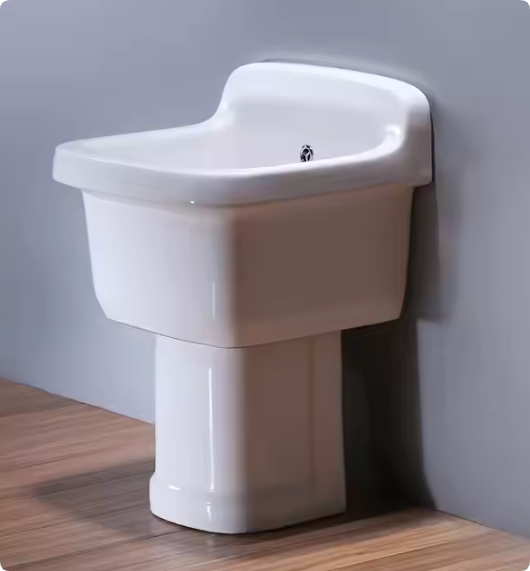
Mop sink
Why Size Matters
- Ergonomics: The wrong size may strain workers physically.
- Functionality: A sink too small may result in frequent emptying, whereas an oversized sink may waste water and space.
- Regulations: Many industries have size requirements based on health and safety codes.
Standard Sizes for Mop Sinks
Mop sinks come in various sizes, generally measured by their width, length, and depth. Below is a breakdown of common dimensions and their typical use cases.
| Dimensions (Inches) | Best For | Advantages |
|---|---|---|
| 24 x 24 x 10 | Small cafes, retail shops | Space-saving, cost-effective |
| 36 x 24 x 12 | Restaurants, small offices | Multi-purpose, moderate capacity |
| 48 x 36 x 14 | Hospitals, schools, warehouses | Large volume, compliance with heavy-duty cleaning |
Factors to Consider When Choosing Mop Sink Size
- Space Availability
Measure your installation area carefully. If space is tight, opt for a compact sink (e.g., 24×24 inches). For larger facilities, a 36×36-inch sink might be more suitable. - Volume of Use
High-traffic environments, such as hospitals, require larger mop sinks to handle frequent use, whereas a boutique store might suffice with a smaller one. - Cleaning Tools
Ensure the sink can comfortably fit your largest cleaning tools, including mop buckets and wringers. - Compliance
Check local plumbing and safety codes. For example, healthcare facilities might require sinks with deeper basins and backflow prevention systems.
Installation Tips for Optimal Usage
Mop Sink Faucet Height [Things You Need To Know]
- Location Matters
Install mop sinks near storage for cleaning supplies to save time. Ensure it is away from food prep areas for sanitary reasons. - Ergonomic Positioning
Consider mounting the sink at a height that reduces bending, especially in commercial environments with high cleaning demands. - Drainage System
Opt for a high-quality drain cover and trap to prevent clogs and ensure smooth drainage.
Benefits of a Well-Sized Mop Sink
- Efficiency: Reduces time spent on cleaning tasks.
- Safety: Proper dimensions prevent water spillage, minimizing slip risks.
- Durability: Larger sinks with high-grade materials handle more demanding tasks without wear.
Future Trends in Mop Sink Design
With the rise of sustainable design, mop sinks are increasingly being developed with:
- Low water usage systems
- Antimicrobial coatings
- Ergonomic enhancements for reduced worker strain
Expert Recommendations for Mop Sink Buyers
- Material: Stainless steel is a preferred choice for durability and easy cleaning.
- Accessories: Invest in wall-mounted faucets, hose attachments, and splash guards for enhanced functionality.
- Supplier: Choose reputable brands offering warranties and after-sales support.
Conclusion
Selecting the right size for a mop sink is critical to improving cleaning efficiency and maintaining hygiene standards. By considering your space, usage volume, and compliance requirements, you can find a mop sink that fits your needs perfectly.