Unpacking Culture, Infrastructure, and a Global Hygiene Shift
In many parts of the world, bidets are an essential part of everyday hygiene. But walk into most bathrooms across the U.S.—homes, hotels, or public facilities—and you’ll rarely spot one.

Why is the bidet so uncommon in American toilets?
This question goes far beyond culture. It touches on bathroom design, consumer behavior, plumbing infrastructure, and even purchasing habits in the sanitary ware industry.
In this article, we take a deep dive into the reasons behind this phenomenon and explore how changing habits, global sourcing, and smart ceramic toilet trends are slowly shifting this landscape in the United States.
1. Cultural Perspectives: From “Clean” to “Clean Enough”
In countries like Japan, Italy, South Korea, and the UAE, using water for personal hygiene is seen as the gold standard.
In these cultures, the belief is simple: “If you don’t use water, you’re not really clean.”
By contrast, in the U.S., the prevailing values of privacy, convenience, and efficiency shaped a different standard—one where toilet paper remains the go-to solution.
During the 20th century, America’s booming paper industry played a key role in making toilet paper the household norm, while bidets remained viewed as luxurious, foreign, or even unnecessary.
However, that perception is gradually shifting—especially among younger consumers who travel more frequently and are increasingly curious about smart hygiene solutions.
2. So Why Don’t American Toilets Come with Bidets?
There’s no single reason. Instead, it’s a mix of factors:
- Bathroom Size: Many American bathrooms, especially older ones, are compact and don’t have space for additional fixtures.
- Plumbing Limitations: Most American bathrooms aren’t built to accommodate dual plumbing setups for bidets.
- Lack of Awareness: Many Americans have never used a bidet, so they’re unfamiliar with its purpose or benefits.
- Fixed Hygiene Habits: The widespread use of toilet paper is deeply ingrained and hard to change.
- Upfront Cost: Toilets with integrated bidet functions or smart features tend to cost more than traditional two-piece models.
3. Comparison Table: Traditional U.S. Hygiene vs Global Bidet Culture
| Category | Typical U.S. Practice | Common in Japan/Italy/UAE |
|---|---|---|
| Hygiene method | Primarily toilet paper | Water cleansing + toilet paper |
| Bidet usage rate | Less than 10% (mainly in high-end homes) | Over 70% (residential, hotel, public) |
| Toilet style | Two-piece ceramic toilets, separate tank | Smart toilets or bidet-integrated |
| Consumer mindset | Curious but cautious | Considered standard equipment |
| Market driver | Cost-saving, simplicity, routine | Hygiene, innovation, tradition |
4. A Quiet Revolution: How Bidets Are Reentering the U.S.
Though uncommon for decades, bidets are making a comeback in the American market—but in new forms:
- Bidet Toilet Seats: Easily installed on existing ceramic toilets, with features like water spray, heated seats, and self-cleaning.
- Integrated Smart Toilets: Fully ceramic, all-in-one designs with bidet, dryer, odor control, and nightlight.
- Project-Specific Solutions: Hotels, apartments, and luxury homes increasingly demand bidet functionality.
- E-commerce Growth: Searches for bidet products on online marketplaces are growing rapidly, such as:
- “smart bidet toilet for small bathrooms”
- “affordable bidet seat for American toilet”
- “bidet toilet combo for hotel projects”
- “retrofit bidet attachment with warm water”
- “custom ceramic smart toilets factory oem”
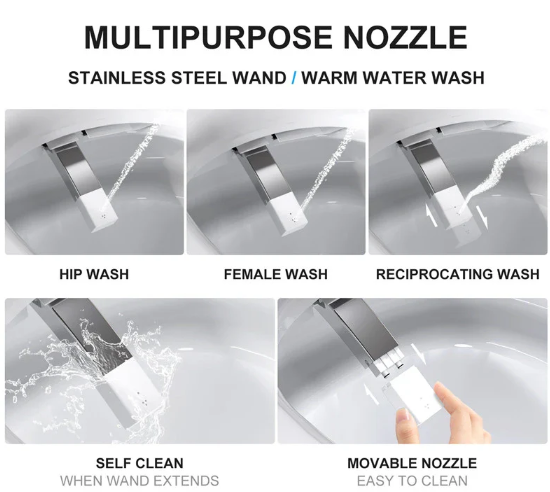
These trends indicate that America is experiencing a shift in how it views bathroom hygiene. Especially in the context of luxury housing and commercial development, smart ceramic toilets with integrated bidet features are becoming less of a novelty and more of a necessity.
5. What Global Buyers Should Know About Selling to the U.S.
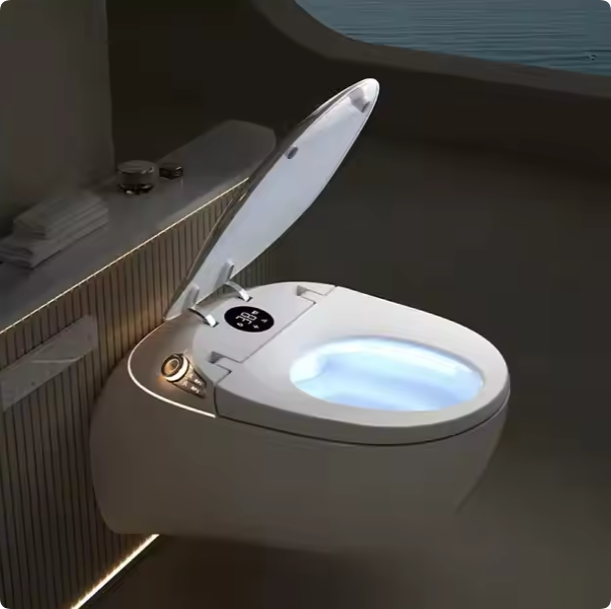
If you’re a buyer, project developer, or sanitary ware brand targeting the U.S. market, here are some tips:
- Offer Retrofit-Friendly Designs: Products like bidet toilet seats that fit standard American toilets without the need for renovation.
- Highlight Hygiene and Sustainability: Americans care more about cleanliness and environmental benefits than just tech specs.
- Support OEM Feature Customization: Buyers often request specific add-ons like dryers, nightlights, or eco-flush options.
- Educate the Market: Clear, visual instructions on how bidets work can reduce buyer hesitation and boost adoption.
FAQ: People Also Ask
Q1: Why don’t most American homes have bidets?
Mainly due to infrastructure, lack of familiarity, and cultural habits that prioritize toilet paper.
Q2: Are bidet seats hard to install in the U.S.?
No, many bidet toilet seats are DIY-friendly and designed for American plumbing standards.
Q3: Is bidet usage growing in the U.S.?
Yes. Increased travel, health awareness, and online availability are driving growth in bidet adoption.
Q4: Do bidets save toilet paper?
Absolutely. Most users find that they use far less or almost no toilet paper once they start using a bidet.
Q5: Are bidets more sanitary than toilet paper?
Yes. Water cleaning is generally more hygienic and recommended by many medical professionals.
Conclusion: The Future of Smart Sanitary Ware in the U.S.
Even though the U.S. was late to adopt bidets, the market is now evolving—with bidets reintroduced in smarter, more integrated, and consumer-friendly forms.
From residential remodels to hotel projects and commercial bathrooms, American demand for ceramic smart toilets with bidet features is on the rise.
For global sanitary ware buyers, builders, and brands, this is a prime opportunity to lead the shift by offering flexible, hygiene-forward toilet solutions.
Danube is a China-based manufacturer of ceramic sanitary ware, specializing in OEM & ODM orders for global sanitary brands and construction projects. Our product range includes ceramic toilets, wash basins, bathroom vanities, smart toilets, and smart mirrors—designed to meet the evolving needs of smart, hygienic, and culturally diverse markets.