
Modern toilets are an essential part of our daily lives, but have you ever wondered how long their history actually is? From ancient civilizations to today’s smart toilets, the evolution of toilets is filled with surprising facts and innovations. Let’s take a journey through history and uncover some of the most fascinating stories behind this everyday necessity.
1. The Oldest Toilets Date Back Over 4,000 Years
The world’s earliest known toilets can be traced back to around 3000 BC in the Indus Valley Civilization. Archaeologists have discovered a sophisticated drainage system in Mohenjo-Daro, which included toilets connected to a sewage network! These toilets were far more advanced than those in medieval Europe centuries later.
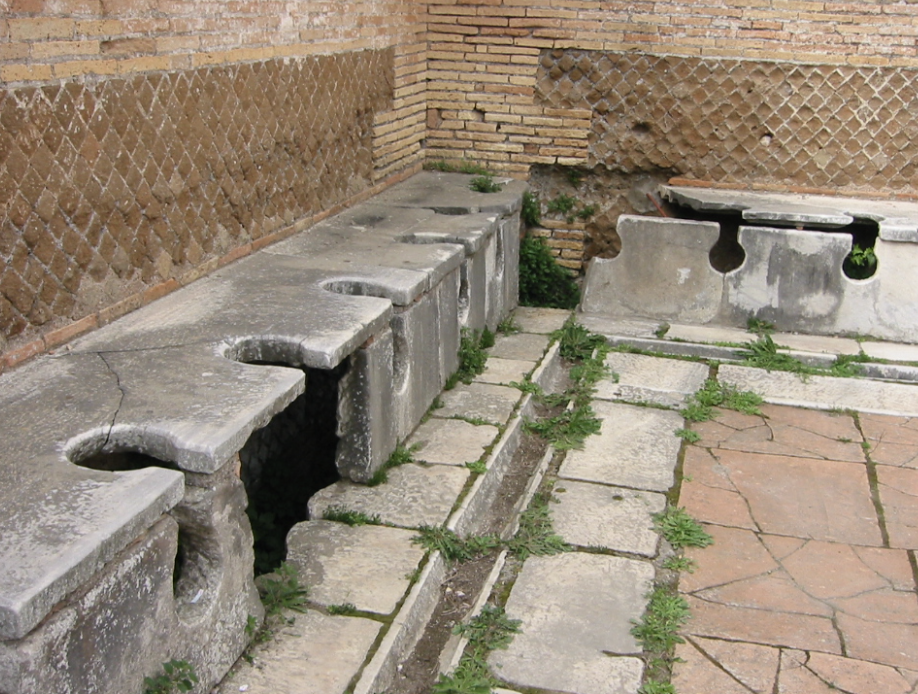
Similarly, ancient Egypt, Babylon, and the Minoan civilization on Crete also had early toilet systems, proving that sanitation was an important concern for early societies.
2. The Romans Invented Public Toilets
The Romans were pioneers in sanitation. They not only built magnificent bathhouses but also developed public toilets for communal use. These public toilets consisted of stone seats with running water beneath them to carry waste away. In Roman times, people would even chat with each other while using the toilet—privacy wasn’t a concern!

One surprising fact is that the Romans used a “sponge stick” (tersorium) instead of toilet paper. The sponge was attached to a wooden stick, washed in saltwater or vinegar after use, and then shared by the next person.
3. Medieval Europeans Rarely Used Toilets
During the Middle Ages, the advanced Roman toilet systems were largely forgotten. Castles and towns relied on primitive waste disposal methods, such as cesspits and “garderobes”—toilets built over castle walls where waste simply fell outside, sometimes into the moat or the streets below. As a result, medieval cities often smelled terrible.
Even royalty suffered from poor sanitation. The Palace of Versailles in France, for example, had no proper toilets until the late 18th century, and members of the court were known to relieve themselves in hallways!
4. The Origin of the Word “Toilet”
The word “toilet” comes from the French word “toilette”, which originally referred to a grooming or dressing routine. It wasn’t until the 18th century that “toilet” became associated with the bathroom. Interestingly, different countries have unique names for toilets:
| Country/Region | Common Toilet Term | Notes |
|---|---|---|
| USA | Restroom/Bathroom | “Restroom” is commonly used in public places |
| UK | Loo | Possibly derived from the French word “l’eau” (water) |
| Japan | Otearai (お手洗い) | Means “hand-washing place” |
| France | Les toilettes | Directly derived from “toilette” |
| Germany | WC (Wasserklosett) | Borrowed from English, meaning “water closet” |
5. Who Invented the First Flush Toilet?
The first flushing toilet was invented in 1596 by English nobleman Sir John Harington. He installed one in Queen Elizabeth I’s palace, but the idea didn’t catch on widely at the time.
It wasn’t until 1775 that Scottish inventor Alexander Cummings patented the S-shaped trap, which effectively prevented bad odors from rising back up. This innovation laid the foundation for modern flush toilets.
6. The Toilet Revolution in the Victorian Era
During the 19th century, rapid urbanization led to serious sanitation problems. In response, Britain passed the Public Health Act of 1848, which encouraged the use of flushing toilets and improved city sewer systems.
This period also saw the rise of many well-known bathroom brands that continue to influence the industry today.


5 Famous Bathroom Brands in the UK
- Armitage Shanks – Known for durable ceramic toilets.
- Twyford – Specializes in water-saving toilet designs.
- Ideal Standard – Offers high-end, modern bathroom products.
- Roca UK – A Spanish brand popular in the UK market.
- Burlington – Provides vintage-style bathroom fixtures, perfect for classic interiors.
These brands, established during or after the Victorian era, have continued to shape the modern bathroom industry.
7. The Rise of Japanese Smart Toilets
In the late 20th century, Japan revolutionized the toilet industry. In 1980, TOTO introduced the world’s first toilet with a built-in bidet, featuring a warm water spray for cleaning.
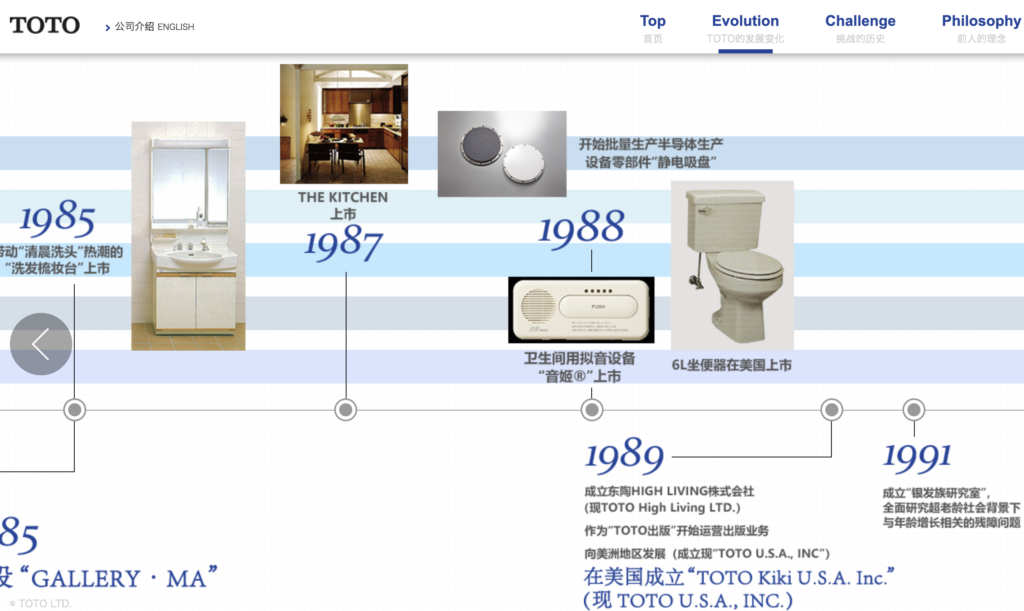
Today, Japanese smart toilets are known for their high-tech features, including:
- Warm water bidet function
- Heated toilet seats
- Automatic deodorization
- Voice control
- Remote operation
These features have made smart toilets incredibly popular worldwide, offering greater hygiene and comfort.
8. The Future of Toilets: Greener and Smarter
As technology and environmental awareness advance, the future of toilets is expected to be more eco-friendly and intelligent. Some upcoming innovations include:
- Waterless toilets – Using vacuum technology to eliminate the need for flushing.
- Health-monitoring toilets – Analyzing urine and stool samples to provide health insights.
- Solar-powered toilets – Ideal for areas without sewage infrastructure.
These new toilet designs aim to reduce water waste, improve sanitation, and offer enhanced convenience for users.
Conclusion
From the sophisticated drainage systems of ancient civilizations to today’s smart toilets, the history of toilets is full of innovation and transformation. With the rise of smart toilets and eco-friendly designs, the bathroom experience is evolving to become more comfortable, hygienic, and sustainable.
For bathroom industry buyers, choosing the right ceramic toilet or smart toilet is essential. Danube offers a range of high-quality bathroom products, including ceramic toilets, smart toilets, and bathroom cabinets, with OEM and ODM customization available. Contact us to learn more about our products!
Frequently Asked Questions (FAQ)
1. When did flush toilets become popular?
Flush toilets became widely adopted in the mid-19th century, following improvements in city sewer systems.
2. Why are Japanese smart toilets so popular?
They offer advanced features like heated seats, warm water cleansing, automatic deodorization, and remote control operation, enhancing comfort and hygiene.
3. What is the most eco-friendly type of toilet today?
Water-saving toilets, waterless toilets, and solar-powered toilets are the most eco-friendly options available.
4. What should I consider when buying a toilet?
Key factors include flushing efficiency, water-saving features, the size of the waste outlet, and whether it meets local installation standards.