
Maintaining a bathroom seems simple—clean it regularly, fix leaks, and keep it fresh. However, many homeowners and hotel managers unknowingly make maintenance mistakes that lead to bigger problems over time. From improper cleaning techniques to ignoring small plumbing issues, these mistakes can cost money, time, and even damage your bathroom fixtures.
Whether you’re managing a hotel, a construction project, or simply want a well-kept home, understanding these common bathroom maintenance mistakes—and how to fix them—can help you extend the lifespan of your fixtures, including ceramic toilets, washbasins, bathroom cabinets, and even smart mirrors.
1. Using Harsh Cleaners on Ceramic Toilets and Sinks
Many people think strong chemicals mean a deeper clean. However, using harsh cleaners like bleach or acidic solutions can damage the surface of ceramic toilets and washbasins over time, making them more prone to stains and cracks.
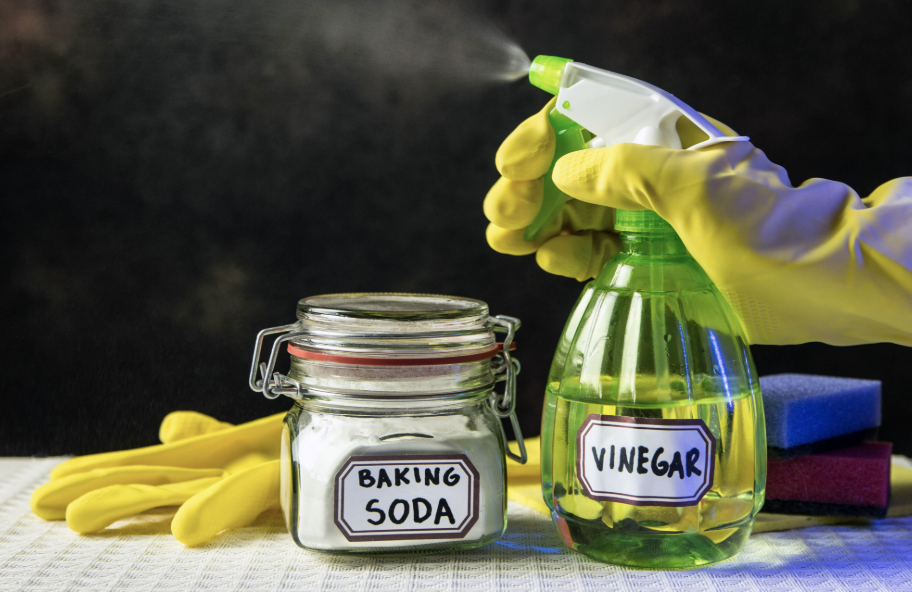
How to Fix It:
- Use mild, non-abrasive cleaners specifically designed for ceramic surfaces.
- Vinegar and baking soda work well for natural cleaning without harming the glaze.
- For stubborn stains, opt for a soft sponge instead of steel wool or hard brushes.
2. Ignoring Small Leaks
A slow-dripping faucet or a running toilet may not seem urgent, but these minor leaks waste thousands of liters of water per year and can lead to higher utility bills.
How to Fix It:
- Regularly inspect your faucets, toilet valves, and showerheads for drips.
- Replace worn-out washers or seals to prevent leaks.
- For a running toilet, check the flapper valve inside the tank—it might need replacement.
3. Poor Ventilation Leading to Mold Growth
A bathroom with inadequate ventilation traps moisture, creating an ideal environment for mold and mildew. This not only damages walls and cabinets but also poses health risks.
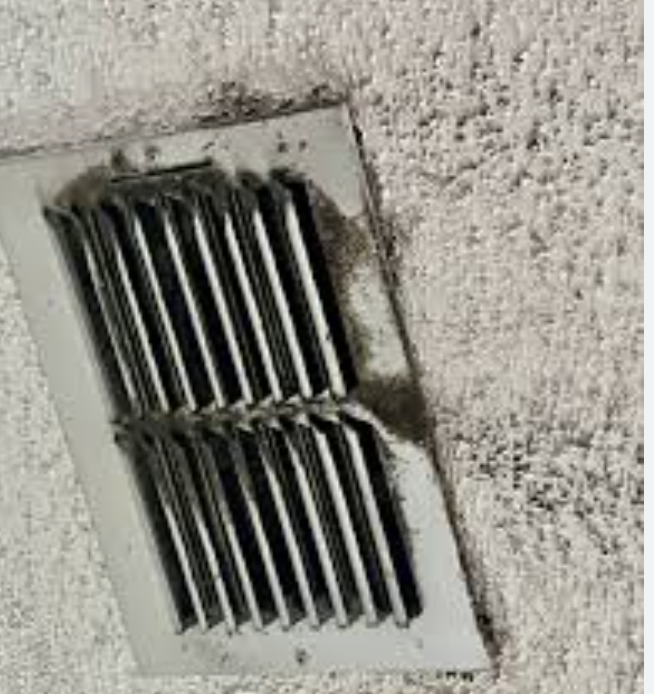
How to Fix It:
- Install an exhaust fan and clean it regularly to ensure proper airflow.
- Open windows or use a dehumidifier if natural ventilation is limited.
- Wipe down wet surfaces after showers to reduce excess moisture.
4. Neglecting Smart Mirror Maintenance
Smart mirrors, popular in modern homes and luxury hotels, require special care. Many users forget to clean sensors and touch controls properly, leading to malfunctions.
How to Fix It:
- Use a microfiber cloth with a mild glass cleaner to wipe down the mirror.
- Avoid using excessive water near electronic components.
- Regularly update the mirror’s software if it has smart features like lighting control or defogging.
5. Incorrect Installation of Bathroom Cabinets
Bathroom cabinets suffer from moisture exposure, and improper installation can lead to warping, mold growth, or even accidents if they’re not securely mounted.
How to Fix It:
- Choose moisture-resistant materials for cabinets, especially in humid climates.
- Ensure proper sealing around cabinet edges to prevent water absorption.
- If mounting on walls, use durable brackets and confirm they are securely fastened.
6. Overusing Drain Cleaners
Chemical drain cleaners are often a quick fix for clogs, but frequent use can corrode pipes, leading to costly repairs.
How to Fix It:
- Use a drain cover to prevent hair and debris from clogging pipes.
- Try natural alternatives like baking soda and vinegar before resorting to harsh chemicals.
- For serious blockages, use a plumbing snake or call a professional.
7. Using the Wrong Toilet Paper for Smart Toilets
Smart toilets, common in high-end bathrooms and hotels, often have sensitive flushing systems. Using thick or non-dissolvable toilet paper can clog the system.
How to Fix It:
- Use toilet paper that is labeled “septic-safe” or specifically designed for smart toilets.
- Regularly clean the toilet’s nozzles and flushing system to prevent blockages.
- Avoid flushing wipes or tissues, even if they claim to be “flushable.”
8. Ignoring Grout and Caulking Maintenance
Cracked or missing grout allows water to seep into walls and floors, leading to mold growth and structural damage.
How to Fix It:
- Regularly inspect grout lines and reapply sealant every few months.
- Remove old, damaged caulking and replace it with waterproof silicone.
- Keep grout clean by scrubbing with a mild cleaner to prevent dirt buildup.
9. Using the Wrong Cleaning Products on Smart Toilets
Smart toilets come with advanced features like bidet sprays and automatic flushing, but harsh cleaners can damage their sensors and internal mechanisms.
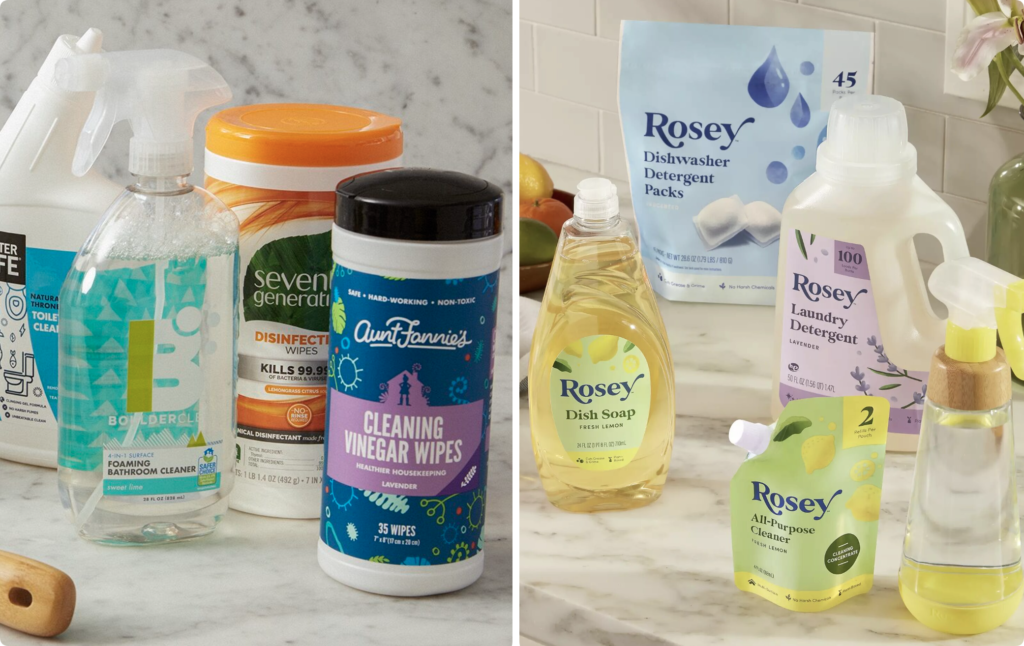
11 Best Natural And Nontoxic Cleaning Products
How to Fix It:
- Use gentle, non-corrosive cleaning solutions.
- Clean the nozzle and seat with a damp cloth instead of soaking them in chemical cleaners.
- Regularly check for software updates if your smart toilet has app-controlled features.
10. Not Draining Water from Unused Fixtures
Unused sinks, toilets, or showers in guest bathrooms or hotel rooms can develop a foul smell due to stagnant water in pipes.
How to Fix It:
- Run water through unused fixtures at least once a week to flush out stagnant water.
- Pour a small amount of baking soda and vinegar into drains to prevent odors.
- If the smell persists, check for a dry P-trap and refill it with water.
11. Overloading Bathroom Storage
Heavy bathroom shelves or overfilled cabinets can strain wall mounts and lead to sudden collapses, especially in humid conditions.
How to Fix It:
- Distribute weight evenly in cabinets and avoid stacking heavy items at the top.
- Use wall-mounted shelves designed to handle moisture without warping.
- Check cabinet hinges and screws regularly for signs of loosening.
12. Not Replacing Worn-Out Fixtures
Old, cracked washbasins, wobbly toilets, and outdated cabinets not only look unappealing but also decrease the bathroom’s functionality and hygiene.
How to Fix It:
- Upgrade to modern ceramic toilets and washbasins with water-efficient features.
- Replace aging bathroom cabinets with moisture-resistant options.
- Consider smart mirrors or smart toilets to enhance convenience and hygiene.
Comparison Table: Bathroom Maintenance Mistakes and Their Solutions
| Mistake | Consequence | How to Fix It |
|---|---|---|
| Using harsh cleaners on ceramics | Surface damage, loss of glaze | Use mild cleaners like vinegar & baking soda |
| Ignoring small leaks | High water bills, potential mold growth | Check and replace washers, fix toilet valves |
| Poor ventilation | Mold, mildew, bad odors | Install exhaust fans, wipe wet surfaces |
| Overusing drain cleaners | Pipe corrosion, expensive repairs | Use drain covers, try natural solutions first |
| Using thick toilet paper in smart toilets | Clogs, malfunctioning sensors | Use septic-safe toilet paper, clean nozzles |
| Ignoring grout maintenance | Water damage, mold growth | Seal grout, replace old caulking |
FAQs
Q: How often should I clean my smart toilet?
A: Wipe down external surfaces weekly and deep-clean bidet nozzles and sensors every month.
Q: What is the best way to prevent mold in a bathroom?
A: Ensure good ventilation, wipe wet surfaces, and use mold-resistant grout and caulk.
Q: Can I use regular bleach to clean my ceramic toilet?
A: It’s best to avoid harsh bleach; opt for mild cleaners to preserve the glaze.
By avoiding these common mistakes, you can extend the life of your bathroom fixtures, reduce maintenance costs, and keep your space looking pristine. Whether you’re managing a hotel, renovating a home, or overseeing a construction project, proper bathroom care ensures long-term durability and functionality.