
In the hustle and bustle of modern life, creating a bathroom that provides a sense of calm and tranquility is a true luxury. Japanese-style bathrooms have become synonymous with peace and simplicity. With their minimalistic designs, natural elements, and emphasis on functionality, they offer a sanctuary for relaxation. If you’re looking to transform your bathroom into a serene escape, here are 10 Japanese-style bathrooms that will inspire you.
1. Zen Garden Bathroom: A Calm Retreat
The Zen garden bathroom is a classic example of Japanese-inspired design. This style incorporates natural materials like stone, bamboo, and wood, creating a serene atmosphere that mimics the tranquility of a traditional Zen garden. A large soaking tub, often made from wood or stone, serves as the focal point. Soft lighting and green plants add to the peaceful vibe.
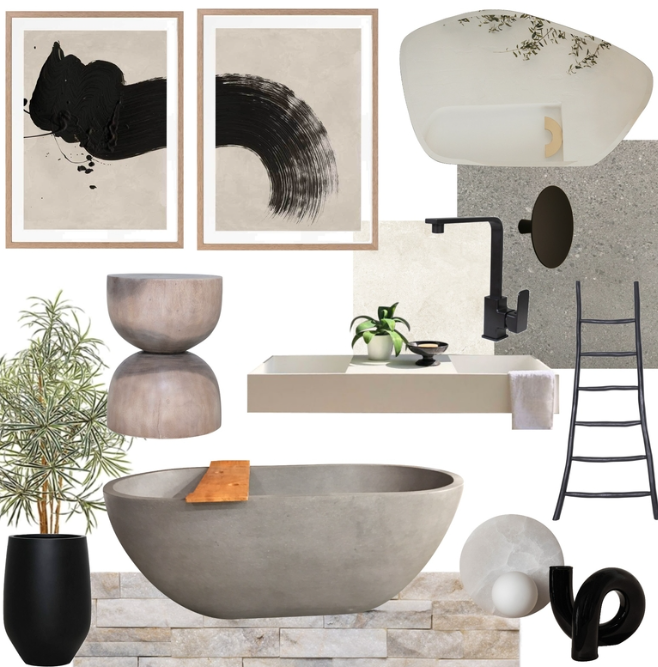
Features:
- Soaking Tub: Deep, often made of wood or stone, perfect for relaxation.
- Natural Materials: Bamboo, stone, and wood create a natural, calming environment.
- Indoor Plants: Adds a touch of nature and freshness.
2. Futuristic Japanese Smart Bathroom
For those who appreciate both modern technology and Japanese design, a futuristic smart bathroom blends the best of both worlds. Smart toilets, with heated seats, bidet functions, and automatic cleaning systems, are a staple. Intelligent mirrors, offering features like time, weather, and ambient lighting, complete the look. These bathrooms focus on comfort while maintaining the minimalist aesthetic.
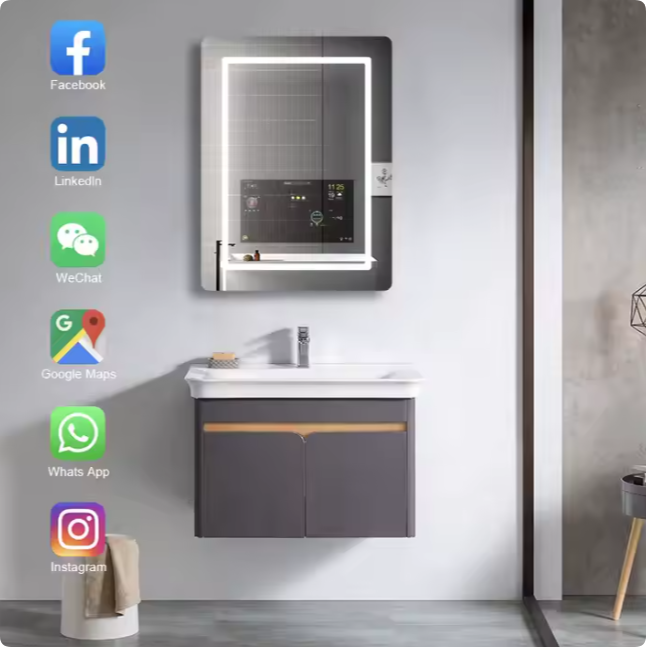
Features:
- Smart Toilets: Bidet functionality, heated seats, and self-cleaning options.
- Smart Mirrors: Fog-resistant mirrors with time, weather, and lighting settings.
- Minimalist Design: Clean lines, neutral colors, and efficient space use.
3. Onsen-Inspired Bathroom
Inspired by Japan’s hot spring resorts, an onsen-style bathroom aims to recreate the experience of bathing in a natural hot spring. These bathrooms often feature deep soaking tubs that resemble traditional wooden onsen baths. The design incorporates natural materials such as bamboo, stone, and wood, with an emphasis on relaxation and rejuvenation.
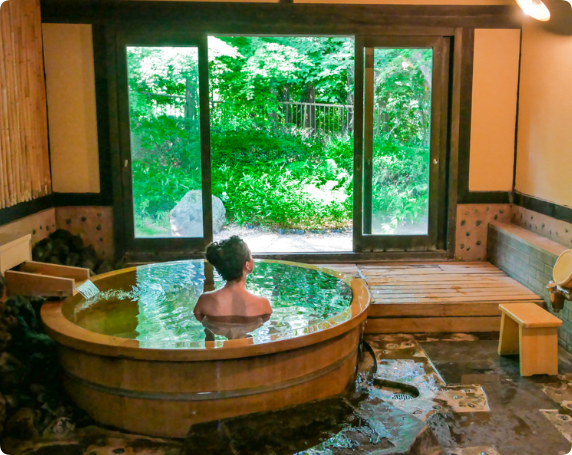
Features:
- Wooden Onsen Tub: Deep and large for full-body immersion.
- Stone and Bamboo: Create a natural, rustic atmosphere.
- Soft Lighting: Gentle lighting to enhance relaxation.
4. Tatami and Bath: Traditional Meets Modern
Tatami rooms, known for their straw mats and low furniture, are often incorporated into Japanese bathrooms to create a blend of tradition and modern design. In this style, you’ll find a soaking tub placed on a tatami platform. Wooden paneling and natural stone details create a seamless transition between the bath area and the rest of the room.
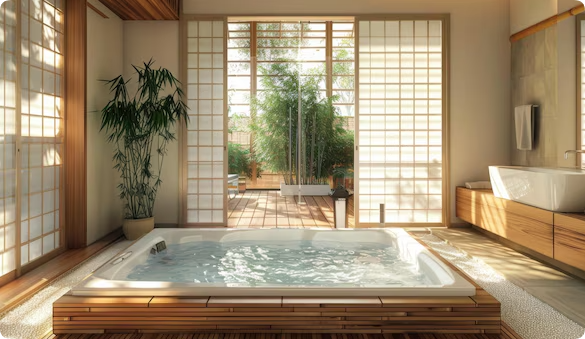
Features:
- Tatami Flooring: Adds a traditional Japanese touch.
- Wooden Panels: Complement the tatami for a cohesive, natural look.
- Soaking Tub: Placed on a tatami platform for easy access.
5. Minimalist Japanese Bathroom
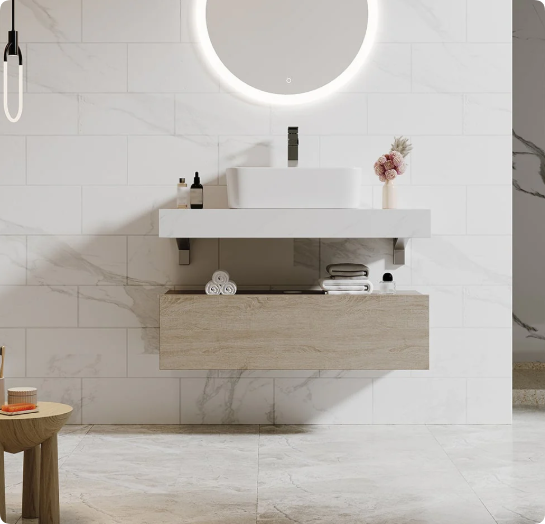
The minimalist Japanese bathroom focuses on simplicity and functionality. Clean lines, neutral colors, and uncluttered spaces define this style. A standalone bathtub, often placed near a large window, allows for a tranquil view of the outdoors. Floating vanities and sleek, modern fixtures keep the space feeling open and airy.
Features:
- Floating Vanities: Maximize floor space and maintain a clean look.
- Neutral Color Palette: Whites, grays, and earth tones dominate.
- Standalone Bathtub: Often positioned by a window for scenic views.
6. Traditional Japanese Bathhouse (Sento)
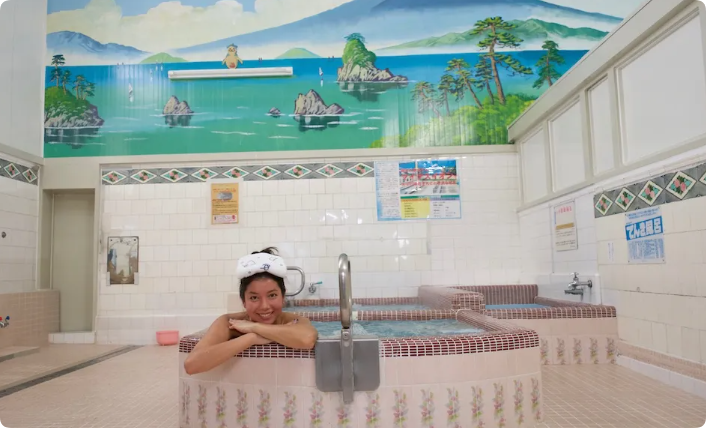
Sento-style bathrooms are inspired by traditional Japanese public bathhouses. These spaces are typically divided into different areas for washing and soaking, with separate sections for hot and cold water. Wooden or ceramic tiles are used to create a rustic, warm environment. The focus is on the communal experience and the ritual of bathing.
Features:
- Separate Areas: Washing and soaking areas are distinct.
- Wooden or Ceramic Tiles: Used for a rustic, authentic feel.
- Hot and Cold Water: Two separate sections to adjust temperatures.
7. Nature-Inspired Japanese Bathroom
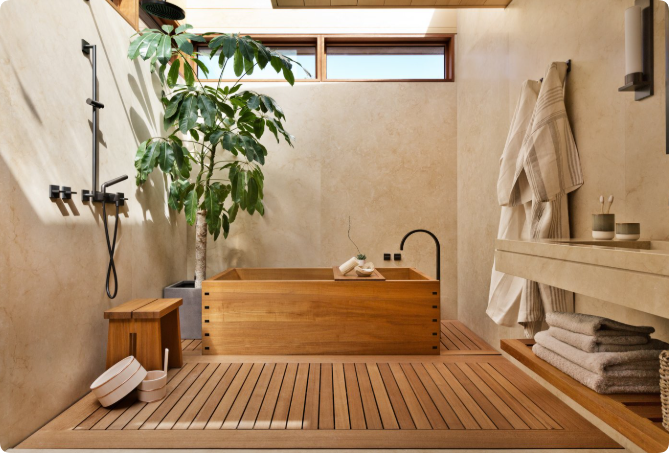
Bringing nature indoors is a hallmark of Japanese design, and this is especially true for bathrooms. A nature-inspired bathroom might feature a large window with a view of the garden, allowing you to feel connected to the outside world. Natural materials like stone, wood, and bamboo are used for the fixtures, creating a harmonious environment that mimics the outdoors.
Features:
- Large Windows: Provide views of gardens or natural landscapes.
- Natural Materials: Stone, wood, and bamboo elements throughout.
- Indoor Plants: Enhance the connection to nature.
8. Japanese Style Bathroom with Shoji Screens
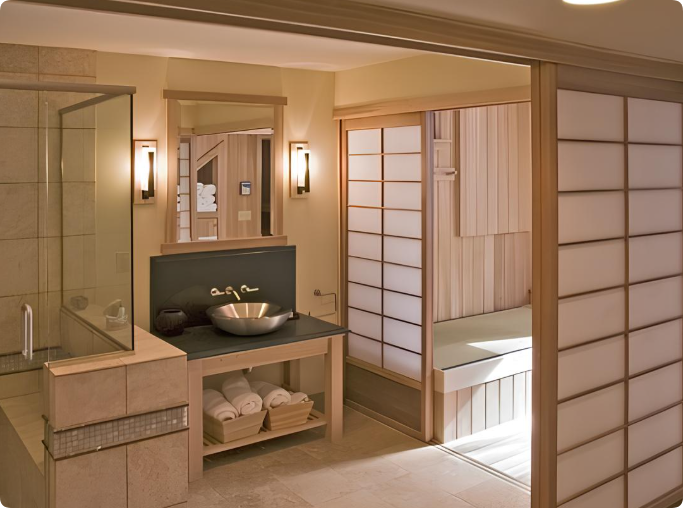
Shoji screens, with their delicate paper panels and wooden frames, are commonly used in Japanese bathrooms to add privacy while still allowing light to filter through. These screens can separate the bathing area from the rest of the bathroom, creating a sense of seclusion and tranquility. Combined with a freestanding tub, this creates the perfect space for relaxation.
Features:
- Shoji Screens: Allow light while maintaining privacy.
- Freestanding Tub: Adds a touch of luxury and relaxation.
- Wooden Accents: Create a warm, natural aesthetic.
9. Spa-Inspired Japanese Bathroom
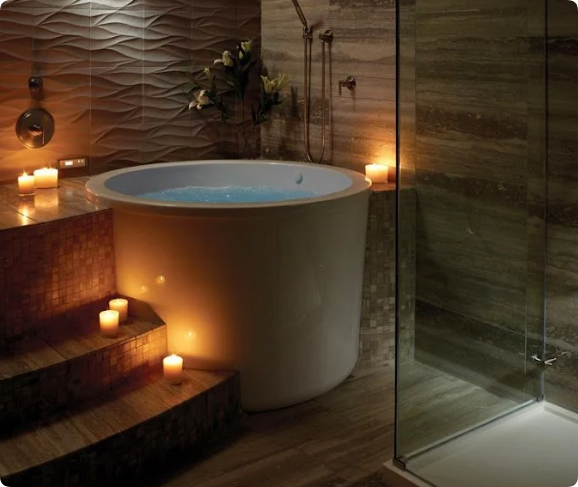
A spa-inspired Japanese bathroom is all about indulgence and relaxation. With high-end fixtures like deep bathtubs, rainfall showers, and built-in seating areas, this bathroom style mimics the luxury of a spa. Soft lighting, candles, and plants complete the look, creating a calm and serene environment.
Features:
- Deep Bathtubs: Large and luxurious for full-body relaxation.
- Rainfall Showers: A soothing water feature for ultimate relaxation.
- Soft Lighting and Candles: Enhance the spa-like atmosphere.
10. Open-Concept Japanese Bathroom
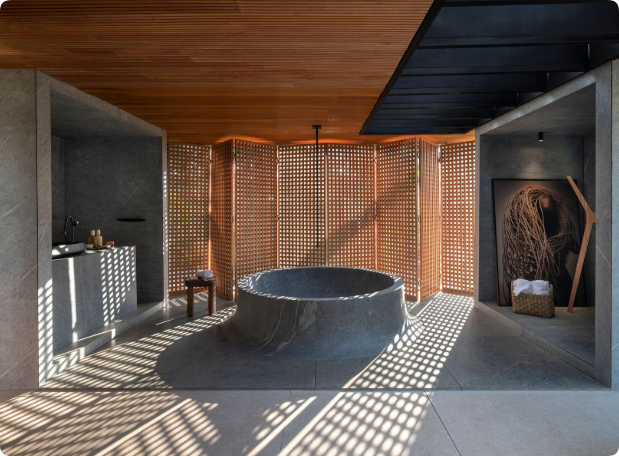
The open-concept bathroom design is a modern take on traditional Japanese styles. The layout often features large, open spaces with natural materials such as wood and stone. A freestanding bathtub might be positioned in the center of the room, with a large shower area and minimalistic fixtures. This design encourages fluidity and openness, making the bathroom feel larger and more inviting.
Features:
- Open Layout: No walls or partitions for an expansive feel.
- Natural Materials: Wood, stone, and glass.
- Freestanding Bathtub: Positioned centrally for focus and relaxation.
Comparative Table: Key Elements of Japanese-Style Bathrooms
| Bathroom Style | Key Features | Best For | Popular Materials |
|---|---|---|---|
| Zen Garden Bathroom | Soaking tub, bamboo, stone, indoor plants | Tranquil, nature-inspired settings | Bamboo, stone, wood |
| Futuristic Smart Bathroom | Smart toilets, intelligent mirrors, minimal design | High-tech, minimalist lovers | Glass, ceramic, metal |
| Onsen-Inspired Bathroom | Wooden onsen tub, stone, bamboo | Soothing, spa-like experiences | Wood, stone, bamboo |
| Tatami and Bath | Tatami flooring, wooden panels, soaking tub | Traditional aesthetic with modern comforts | Straw, wood, bamboo |
| Minimalist Japanese Bathroom | Floating vanities, standalone bathtub, neutral tones | Simple, clutter-free environments | Wood, stone, metal |
| Traditional Sento Bathroom | Separate areas, wooden/ceramic tiles, hot/cold water | Authentic, communal bath experiences | Wood, ceramic, stone |
| Nature-Inspired Bathroom | Large windows, natural materials, indoor plants | Those seeking tranquility through nature | Wood, stone, glass, bamboo |
| Shoji Screen Bathroom | Shoji screens, freestanding tub, wooden accents | Privacy and light in one space | Wood, paper, bamboo |
| Spa-Inspired Bathroom | Deep tubs, rainfall showers, soft lighting | Ultimate relaxation and indulgence | Stone, glass, wood |
| Open-Concept Japanese Bathroom | Open layout, freestanding tub, natural materials | Spacious, airy bathroom lovers | Wood, stone, glass |
FAQs About Japanese-Style Bathrooms
1. What are the main characteristics of a Japanese-style bathroom?
Japanese-style bathrooms focus on simplicity, functionality, and natural materials. Common features include deep soaking tubs, wooden accents, stone tiles, and minimalistic design. The aim is to create a tranquil, peaceful environment.
2. How do I make my bathroom more Japanese-inspired?
To create a Japanese-inspired bathroom, focus on natural elements like wood, bamboo, and stone. Consider installing a soaking tub, using a neutral color palette, and adding indoor plants to bring in nature. Incorporating shoji screens or tatami mats can also add to the aesthetic.
3. What is the difference between a traditional Japanese bath and a Western bath?
In Japan, the focus is on relaxation and ritual. The Japanese bath involves washing thoroughly before soaking in a deep tub. The tub is typically larger and designed for full-body immersion, whereas Western baths are often smaller and primarily for cleaning.
4. How can I add a smart element to my Japanese-style bathroom?
Incorporating smart toilets with bidet features, self-cleaning functions, and heated seats can modernize a traditional Japanese bathroom. Smart mirrors with adjustable lighting and time displays also blend well with the minimalist design.
Conclusion
Japanese-style bathrooms offer more than just a place to bathe; they create a sanctuary for relaxation and rejuvenation. Whether you’re drawn to the simplicity of a minimalist design or the natural luxury of an onsen-inspired space, there are many ways to bring the tranquility of Japanese aesthetics into your home. With the right materials and thoughtful design, your bathroom can become a peaceful retreat that invites serenity every day.
For those looking to elevate their bathroom experience further, products like Danube’s smart toilets and innovative bathroom solutions can help achieve the perfect blend of Japanese-inspired style and modern convenience.